
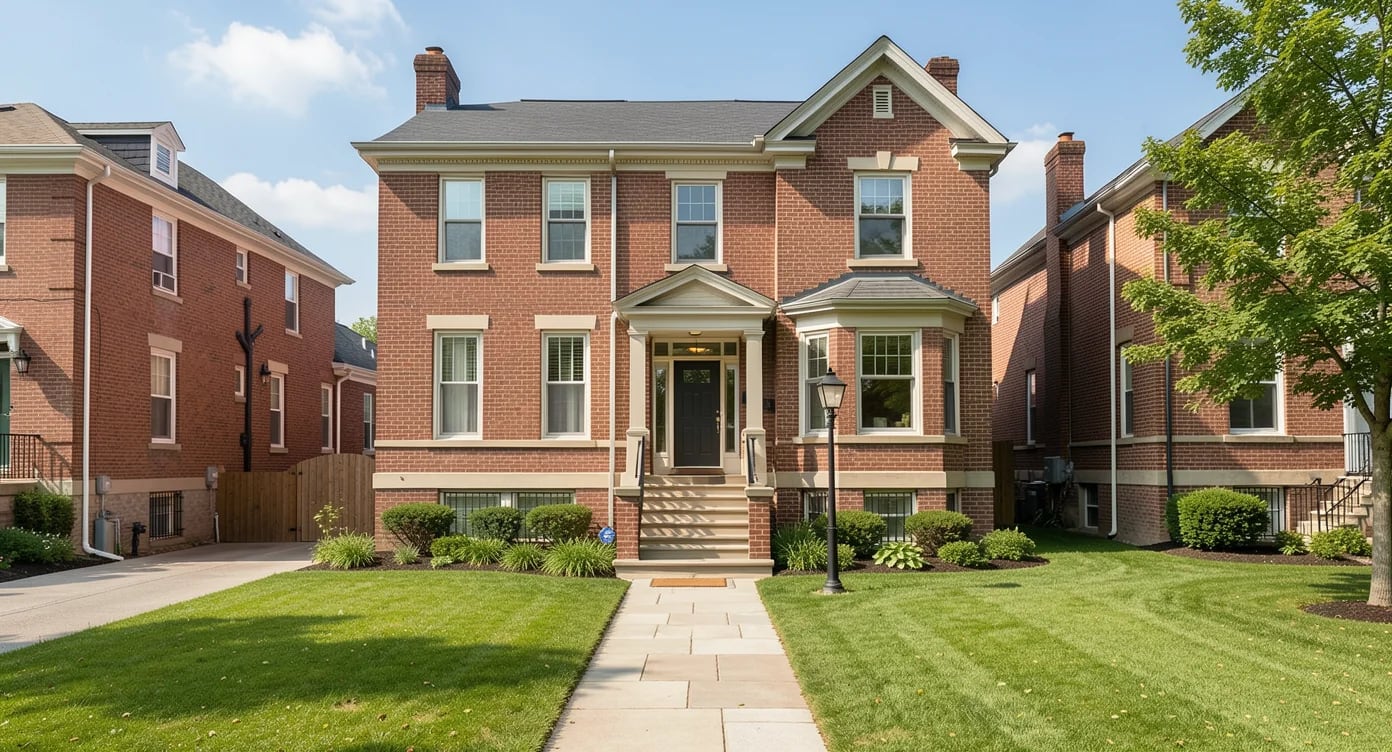
A promising rental is more than a home with an appealing monthly rent. By checking comparable properties, accounting for vacancies and repairs, and testing financing costs, Lafayette buyers can make a more informed purchase decision. Here’s how to turn a listing into a practical income estimate before making an offer.
Start With the Property, Not the Asking Rent
A home’s rental potential depends on what it can earn, what it costs to operate, and whether it can legally be used as intended. A listing price and a suggested rent are useful starting points, but neither tells the whole story. Before comparing returns, decide whether you are considering a long-term rental, an owner-occupied home with a rentable space, or another arrangement; each can bring different financing and regulatory questions.

Look closely at features that affect both usability and upkeep: the number of bedrooms and bathrooms, parking, laundry, storage, heating and cooling, and the condition of major systems. A home that needs immediate roof or HVAC work may require more cash than its purchase price suggests. Conversely, a higher-priced property in sound condition may need less work before it can be rented.
Location matters, too, but evaluate it through verifiable details rather than assumptions. Consider access to everyday services, transportation routes, parks, and other amenities, then compare those features with competing rentals. Ask your agent about the immediate area and review current listings yourself; rental demand and available inventory can vary considerably from one property to another.
Build a Defensible Rent Estimate
Find several currently advertised rentals with similar locations, bedroom counts, square footage, condition, and amenities. Note whether the advertised rent includes utilities, parking, appliances, or other services. If one property has been updated and another needs work, adjust your expectations rather than treating their asking rents as interchangeable.
Asking rents show what owners are seeking, not necessarily what renters ultimately pay. When possible, ask a local property manager or real estate professional for recent leased comparables and information about typical marketing time. Record the date and source of each comparison so you can revisit the estimate if the market changes before closing.
Then estimate annual income conservatively. Monthly rent multiplied by 12 gives gross potential rent, assuming the property is occupied and paid for every month. A vacancy and collection allowance recognizes that a rental may sit empty between leases or that some rent may go uncollected. Other income, such as parking fees, should be included only when it is realistic and permitted.
Compare rentals with similar included utilities and amenities. A lower advertised rent can still represent a stronger deal for a renter if fewer expenses are paid separately.
Account for the Costs Behind the Income
Operating expenses can change the picture considerably. Request available records from the seller, but verify estimates with independent quotes and public information where possible. Past costs are useful context, not a guarantee of what you will pay after purchasing.

Include property taxes, insurance, routine maintenance, landscaping, utilities you will pay, association dues if applicable, and management or leasing fees. Even if you plan to manage the property yourself, estimating a management cost can help you compare it with a professionally managed alternative. Ask how a sale could affect the tax assessment, and obtain an insurance quote for the intended rental use.
Separate routine operating costs from money set aside for major replacements. A water heater, roof, or furnace may not need attention every year, but each can create a significant bill. A capital reserve is a planning allowance for those longer-term expenses; it is not the same as a current repair invoice. Inspection findings and the age of each system can help you decide how much to set aside.
Also consider the cash needed before the first lease begins: closing costs, inspections, initial repairs, cleaning, and any time the home will be vacant while work is completed. Keep a separate contingency for surprises. The amount you need at closing is only part of the money committed to the purchase.
Calculate Cash Flow and Compare Returns
A simple annual worksheet makes it easier to compare properties on equal terms. Start with estimated rent after vacancy and collection losses. Subtract operating expenses to estimate net operating income, or NOI. NOI is calculated before mortgage payments, income taxes, depreciation, and capital expenditures.
For illustration only, suppose a property could rent for $1,500 a month, or $18,000 a year. A 5% vacancy and collection allowance reduces expected income by $900, leaving $17,100. If annual operating expenses are $6,500, estimated NOI is $10,600. These figures are examples, not a statement of local rents or typical expenses.
Now add financing and reserves. If annual principal and interest payments total $8,400, the remaining amount is $2,200 before capital reserves and income taxes. Setting aside $1,200 annually for major replacements leaves an estimated $1,000 in cash flow. Actual results will depend on occupancy, repairs, financing, and other costs.
Two measures can help you compare the example with other purchases:
- Capitalization rate: NOI divided by purchase price. At a $160,000 price, $10,600 in NOI produces an estimated cap rate of about 6.6%, before financing and capital expenditures.
- Cash-on-cash return: Annual cash flow divided by total cash invested. If the buyer commits $45,000 in down payment, closing costs, and initial work, $1,000 in estimated cash flow is about 2.2% before income taxes.
Neither measure predicts appreciation or guarantees a return. Test a less favorable scenario as well: What happens if rent is lower than expected, the property is vacant longer, or insurance costs rise? A deal that works only when every assumption is optimistic deserves a closer look.
A positive NOI does not necessarily mean positive cash flow. Mortgage payments and funds reserved for major replacements still have to come out of the income.
Check Financing and Rental Rules Before Committing
Loan terms can differ for an investment property and a primary residence. Ask a lender about the required down payment, interest rate, reserves, and whether projected rent can be considered in qualifying. If you plan to live in the property and rent part of it, describe that arrangement accurately; occupancy requirements and eligible property types matter. A pre-approval can help you establish a purchase range before you spend time evaluating listings.
Explore how to choose a mortgage lender
Before removing contingencies or closing, verify zoning, occupancy requirements, permits, inspection rules, and any association or deed restrictions with the appropriate authorities and documents. Confirm whether the specific rental arrangement you have in mind is allowed. If a property already has a tenant, review the lease, deposit information, payment history, and any obligations that would transfer to you with qualified legal guidance.
Finally, speak with a tax professional about how rental income, expenses, depreciation, and a future sale may affect your situation. Keep your estimates, quotes, and comparable listings together so you can update the worksheet as new information arrives. SNP Real Estate can help you explore Lafayette properties and work through the purchase process; a careful review of the numbers and property details can help you decide which opportunity fits your goals.
