
A tidy entry, healthy landscaping, and sound exterior maintenance can make a home feel cared for before a buyer steps inside. The best project is not always the biggest one: compare repair needs, costs, and nearby homes before deciding where to invest. Here is how to build a curb appeal plan for a Caldwell property without assuming every dollar spent will come back at sale.
Start with the view from the street
Walk toward your home as a visitor would, looking at the roofline, siding, yard, driveway, and entry. Take a few photos from the sidewalk or road, then look for distractions: peeling paint, overgrown shrubs, a sagging gate, or a walkway that needs attention. A simple list can help separate routine cleanup from repairs that require a professional.
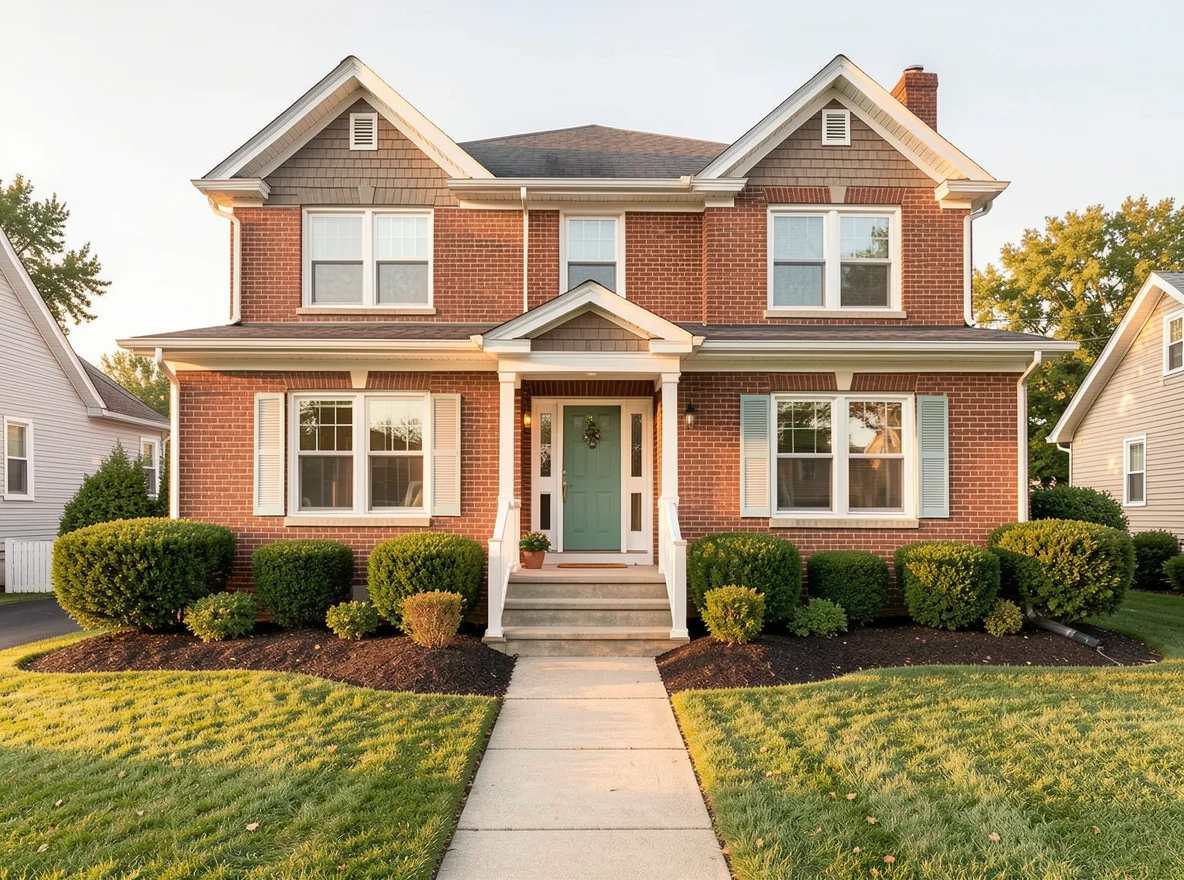
Begin with tasks that make the entire property look more orderly. Remove debris, trim plants away from windows and siding, clean the entry, and address weeds. If surfaces are dirty, use a cleaning method suited to the material; excessive pressure can damage siding, mortar, or older wood. Small improvements work together, especially when they reveal features that were already there.
Next, note anything that suggests moisture or deterioration. Loose gutters, damaged flashing, soft porch boards, and peeling exterior paint can point to work that deserves attention before decorative upgrades. Have a qualified professional assess concerns you cannot confidently evaluate, and keep records of repairs and warranties for future buyers.
Before choosing a new door color or adding plants, look for water-related issues. A repaired gutter or properly directed downspout can be more useful than landscaping that hides a maintenance problem.
For buyers comparing Caldwell properties, the same walk-through is a useful starting point. A polished exterior is appealing, but it does not replace an inspection. Ask about the age and condition of major components and consider the cost of repairs alongside the purchase price.
Give the entry a focused refresh
The front door is a natural focal point, so it can be a sensible place to concentrate a modest budget. Clean the door and surrounding trim, check that hardware operates smoothly, and replace worn weatherstripping if needed. If the finish has faded, a fresh coat of exterior paint can add definition without requiring a full-house project.
Look at the entry as a complete experience. A working porch light, visible house numbers, and a clear path help visitors find their way. Simple planters or a clean doormat can add warmth, but leave enough room to move comfortably through the doorway. Choose finishes that complement the home rather than competing with every other exterior detail.
If a door or porch is damaged, get repair and replacement estimates before making a decision. A replacement may address performance and appearance at once, but installation costs, the condition of the frame, and the style of the home all matter. Ask contractors what preparation, disposal, and finishing are included so bids are easier to compare.
Make landscaping look intentional
Landscaping does not need to be elaborate to improve a first impression. Define planting beds, remove dead material, and add a fresh layer of mulch where appropriate. Prune with the mature size of each plant in mind, leaving clearance around the house and keeping walkways open.
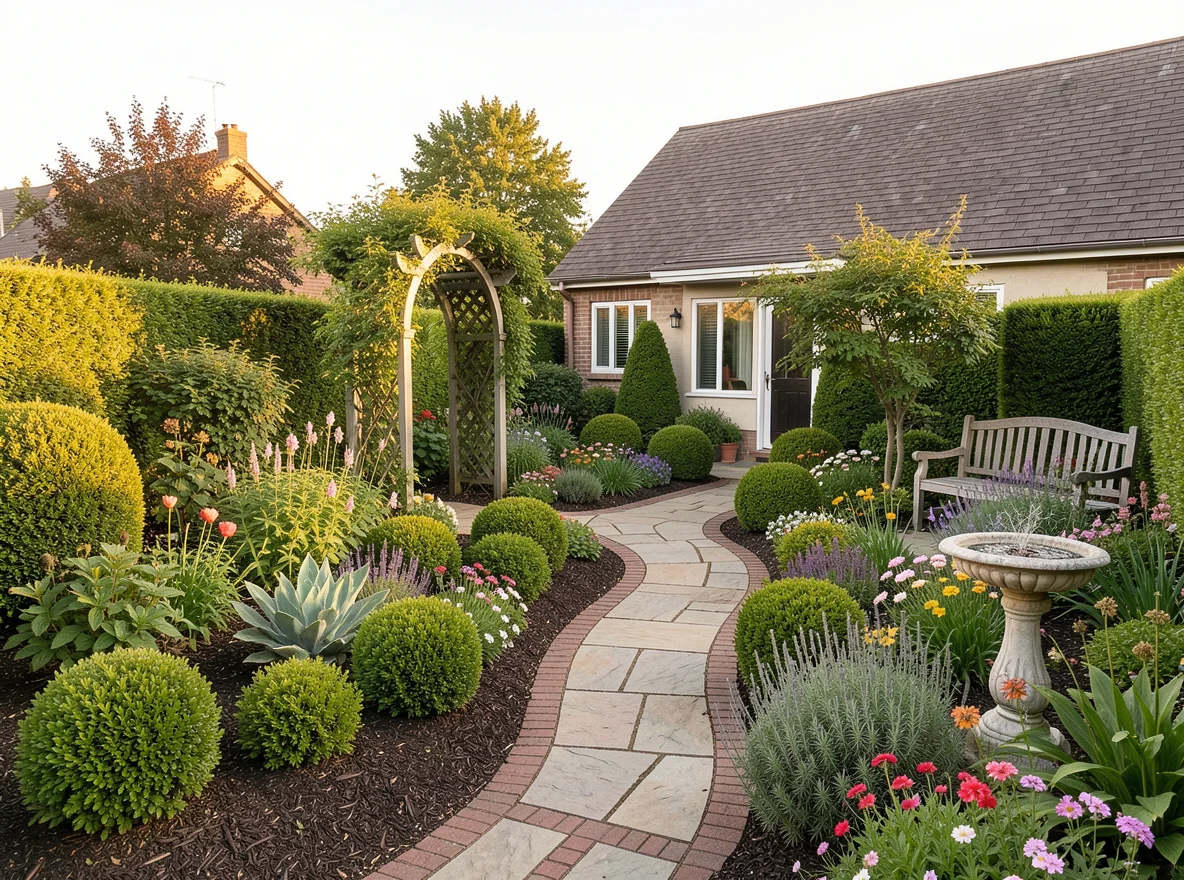
Choose plants for the site rather than the display at the garden center. Sun exposure, soil drainage, mature height, and ongoing care all affect how a planting will look later. A local nursery or landscape professional can suggest suitable options. Grouping plants with similar water needs can also make maintenance more manageable.
Pay attention to grading and drainage before adding soil or mulch near the foundation. Avoid piling material against siding, and investigate standing water rather than covering it with decorative stone. Where a walkway is uneven or damaged, seek an appropriate repair estimate; a neat route to the entry does more for the overall presentation than another row of flowers.
For a property with more ground to maintain, concentrate first on the areas a visitor sees from the entrance and driveway. Consistent mowing, trimmed edges, and clear sightlines can create a finished appearance without an extensive redesign. If selling is not imminent, phase larger planting projects over time and keep a realistic budget for watering and upkeep.
Decide when paint and siding are worth the expense
Fresh paint can make a striking difference, but a lasting result depends on preparation. Peeling surfaces may need scraping, repairs, cleaning, and priming before a finish coat goes on. Get a written scope that identifies which surfaces will be prepared and painted, the products to be used, and how existing damage will be handled.
If the entire exterior is in reasonable condition, painting trim or addressing a small, visibly worn area may be enough. If siding is deteriorating or allowing moisture in, cosmetic touch-ups alone may not solve the problem. Ask a qualified contractor to assess the material and explain whether repair or replacement is appropriate.
For older homes, work that disturbs existing paint can involve lead-related requirements. Use qualified professionals where required and check applicable rules before starting. Also confirm whether a project needs permits or approval under any property-specific restrictions, particularly when changing materials or structural elements.
Estimate return without treating it as a guarantee
Return on investment is the relationship between a project’s cost and any value it adds. A useful planning exercise is to compare the full cost—including labor, materials, permits, and contingency—with an informed estimate of how the improvement might affect the home’s sale. For example, if a $2,000 project were to add $1,000 to the sale price, the estimated direct return would be 50%, before selling costs. That example is only arithmetic, not a prediction.
Some work may matter because it addresses a buyer concern, supports a smoother inspection, or helps the home present well, even when its value cannot be isolated in the final price. Returns vary with the property, project quality, buyer preferences, and market conditions. Review comparable recent sales with a local real estate professional before committing to an expensive upgrade.
Compare at least two written estimates for a major exterior project, and include preparation and cleanup in your budget. A lower bid is not necessarily comparable if it leaves out essential work.
Build a practical plan for your property
Prioritize necessary repairs first, followed by visible improvements that fit the home and your budget. If a sale is approaching, allow time for estimates, scheduling, weather-related delays, and final cleanup before photographs. If you plan to stay, consider how much enjoyment and reduced maintenance a project will provide, not just a potential future sale price.
Whether you are preparing to sell or evaluating a home to buy, the strongest exterior plan starts with the property’s actual condition. A clear entry, thoughtful landscaping, and documented maintenance can help a home put its best foot forward—without relying on a costly renovation to do all the work.
