

Before putting your Cass home on the market, focus first on problems that affect safety, water intrusion, and essential systems. Then tackle the visible maintenance that can shape a buyer’s first impression. A thoughtful repair plan can help you spend where it matters without committing to a full renovation.
Start With the Problems You Would Want to Understand
Getting ready to sell can make every scuff and unfinished project feel urgent. It doesn’t have to. Walk through your home as a buyer might, starting outside and moving through each room, and make a list of anything broken, leaking, difficult to operate, or visibly neglected. The goal is to separate necessary repairs from cosmetic projects that can wait.
Begin with active leaks, exposed wiring, loose handrails, damaged steps, and other concerns that could affect safety or allow further damage. A dripping supply line under a sink might be straightforward to repair; a recurring basement leak may need a more thorough diagnosis. If you don’t know what is causing a problem, have a qualified professional investigate before deciding how to address it.
Next, consider the condition of the roof, heating and cooling equipment, plumbing, and electrical system. Buyers may ask about their age and maintenance history, and an inspection could bring defects into negotiations. Gather service records, warranties, and receipts where available. If a system is functioning, replacing it solely because it is older may not be the best use of your budget; discuss its condition and likely buyer questions with your agent.
An active water problem deserves attention before fresh paint. Covering a stain without addressing its cause can leave the underlying issue—and buyer questions—unresolved.
For a summer listing, check that the cooling system operates as expected and that gutters and downspouts direct water away from the house. Look for signs of moisture after rainfall, including damp areas near the foundation or under windows. These checks are not a substitute for an inspection, but they can help you identify questions to ask a contractor before your listing date arrives.
Make Everyday Details Work Properly
Once you’ve addressed larger concerns, turn to the small things buyers can see and touch. A sticking door, loose cabinet handle, or faucet that drips may seem minor on its own. Several small issues together, however, can prompt questions about what else needs attention.

Test light switches, doors, windows, faucets, and visible appliances. Replace burned-out bulbs, tighten loose hardware, repair damaged screens, and recaulk where appropriate after resolving any moisture issues. In bathrooms and kitchens, clean grout and working fixtures can make the rooms feel cared for without requiring an expensive overhaul.
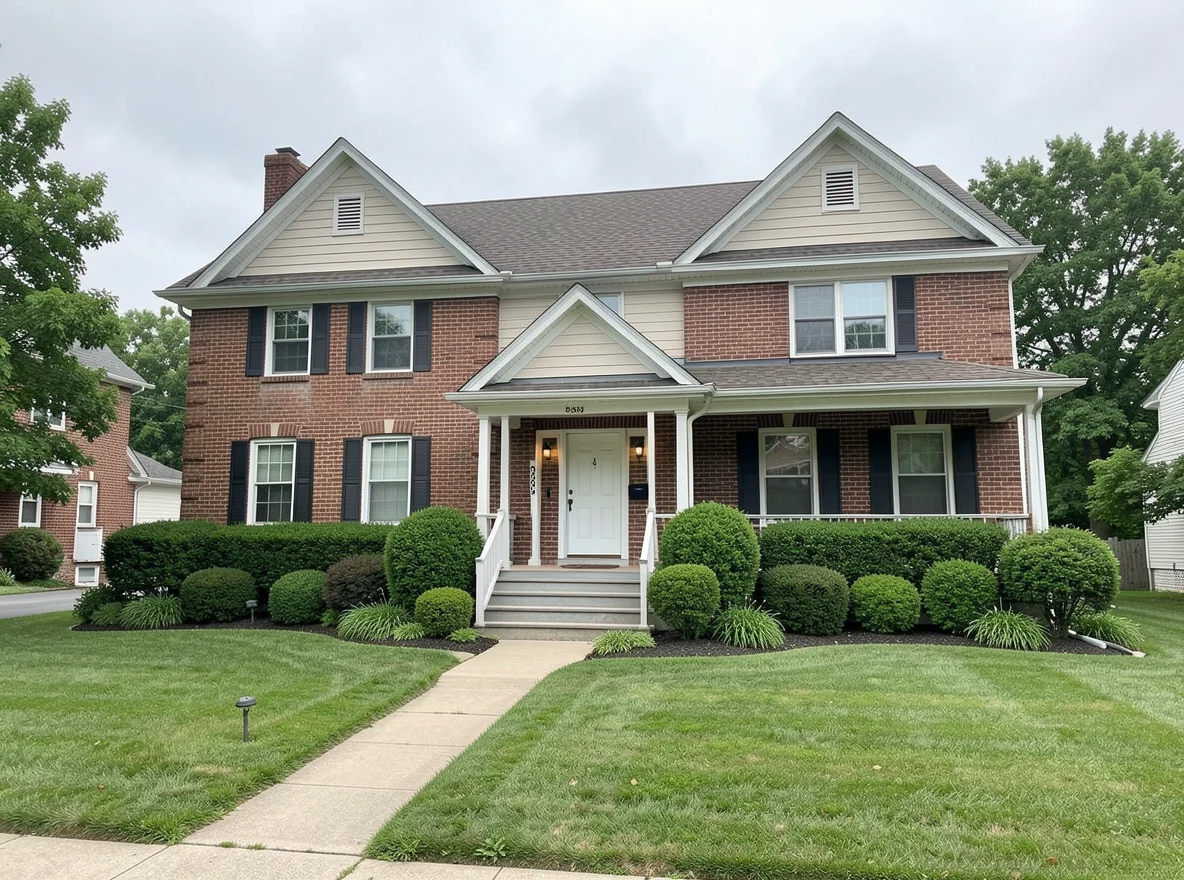
Outside, look closely at the route from the curb to the front door. Trim overgrown plants, clear the walkway, and address loose pavers or steps that need repair. Clean the entry and check that the door opens and latches smoothly. These practical details are easy for visitors to notice and can help listing photos reflect a home that has been maintained.
Inside, a deep clean and a few targeted paint touch-ups may do more for presentation than a major design project. If walls need extensive attention, choose a finish and color that work with the rest of the home. Avoid painting over damaged material or damp spots; repair the cause first and keep a record of the work.
Decide Whether a Bigger Project Makes Sense
A dated kitchen or bathroom does not automatically need a remodel before listing. Large projects can consume time, introduce surprises, and leave you choosing finishes that a buyer might eventually change. Before committing, ask your agent to compare your home with relevant recent sales and current listings in Cass. Consider condition, features, and asking prices alongside differences in location and property type.
Get written estimates for work you are considering, including the scope, materials, expected schedule, and any permit requirements. Then compare that cost with your available funds and desired listing timeline. There is no guaranteed return on a renovation, and the right choice depends on the home and the market at the time you sell.
A repair and a renovation solve different problems: fixing a leaking faucet restores function; replacing an entire kitchen changes the finish and layout. Price them separately before deciding.
If a major repair is beyond your budget or timeline, discuss your options with your agent. Depending on the circumstances, you might obtain an estimate, adjust the asking price, or consider negotiating a credit with a buyer. A lender or buyer may have requirements that affect whether a credit or unfinished repair is workable, so avoid assuming every option will fit every transaction.
Explore the home-selling process
Plan for Questions, Inspections, and Disclosure
A pre-listing inspection can be useful if you want a clearer picture before going to market, especially when you suspect a larger issue or have owned the home for a long time. It also adds an upfront expense and may identify concerns you will need to address or disclose. Ask your agent whether it makes sense for your property, and remember that a buyer may still arrange a separate inspection.
Keep invoices, contractor reports, permits, and warranty information together. If you choose not to complete a repair, make a note of what you know and any estimates you received. Answer disclosure questions accurately and discuss applicable requirements with your agent or an attorney. A repair receipt is helpful documentation, but it does not guarantee that a buyer or inspector will consider an issue resolved.
Build a Practical Listing Plan
Sort your list into three groups: urgent problems to investigate or repair, smaller maintenance items to complete before photos and showings, and optional updates to discuss with your agent. Get estimates early, leave room in the schedule for follow-up work, and keep your budget flexible. If you are weighing a repair against a price adjustment, a current opinion of value can help you make a more informed decision.
The best preparation plan is not necessarily the longest or most expensive one. For sellers in Cass, the aim is to address meaningful concerns, present the home honestly, and make the most of the time and resources available. Start with what affects the property’s condition, then choose the finishing touches that help buyers see it clearly.
