
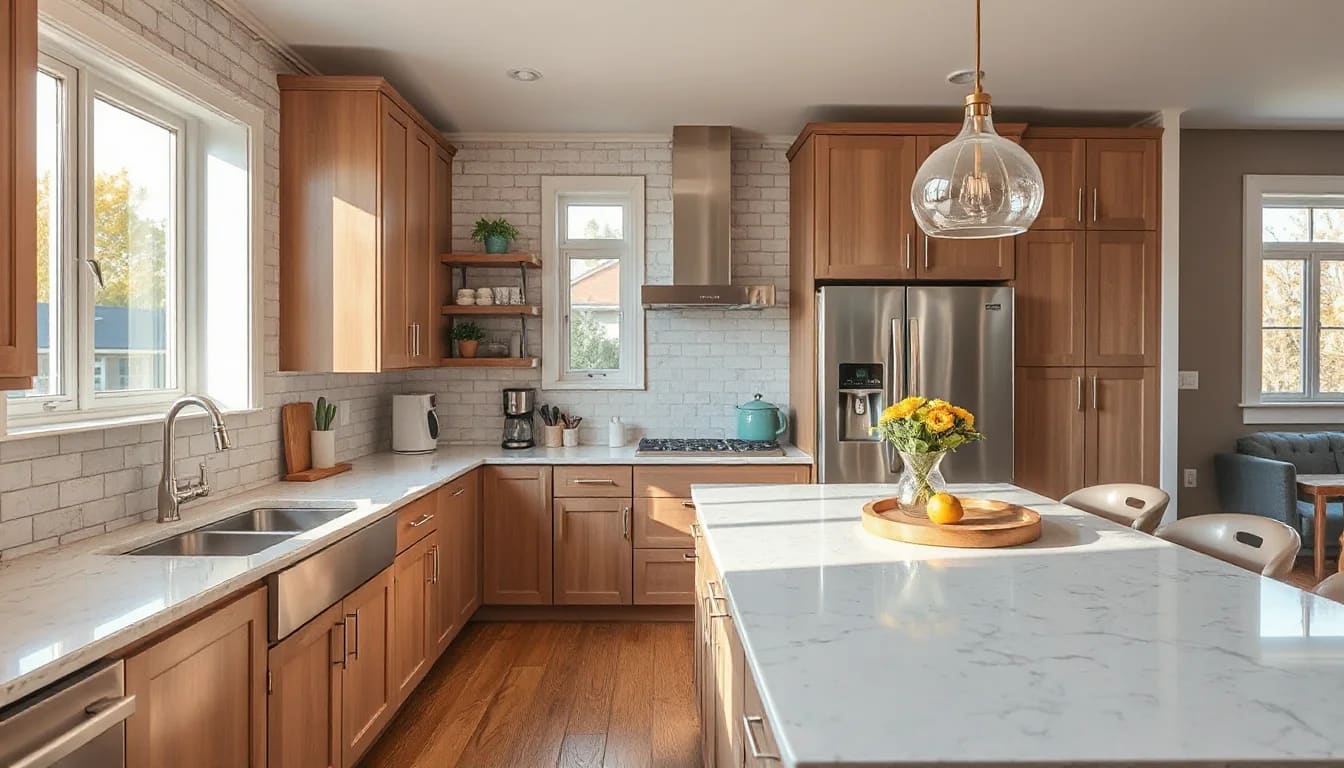
Thoughtful kitchen and bath updates can make a Bates home easier to understand, easier to compare, and more memorable when it reaches the market. The strongest projects are not necessarily the most elaborate—they are clean, durable, well-lit improvements that support the home’s price point and make everyday spaces feel ready for the next owner.
Start With the Spaces Buyers Notice First
Kitchen and bathroom projects often carry outsized influence because they are used constantly and are easy to evaluate during a showing. A dated cabinet door, tired grout line, weak lighting plan, or worn vanity top can distract from an otherwise well-maintained property. On the other hand, a coordinated update can help buyers focus on the home’s layout, storage, condition, and overall potential rather than immediately calculating a renovation budget.
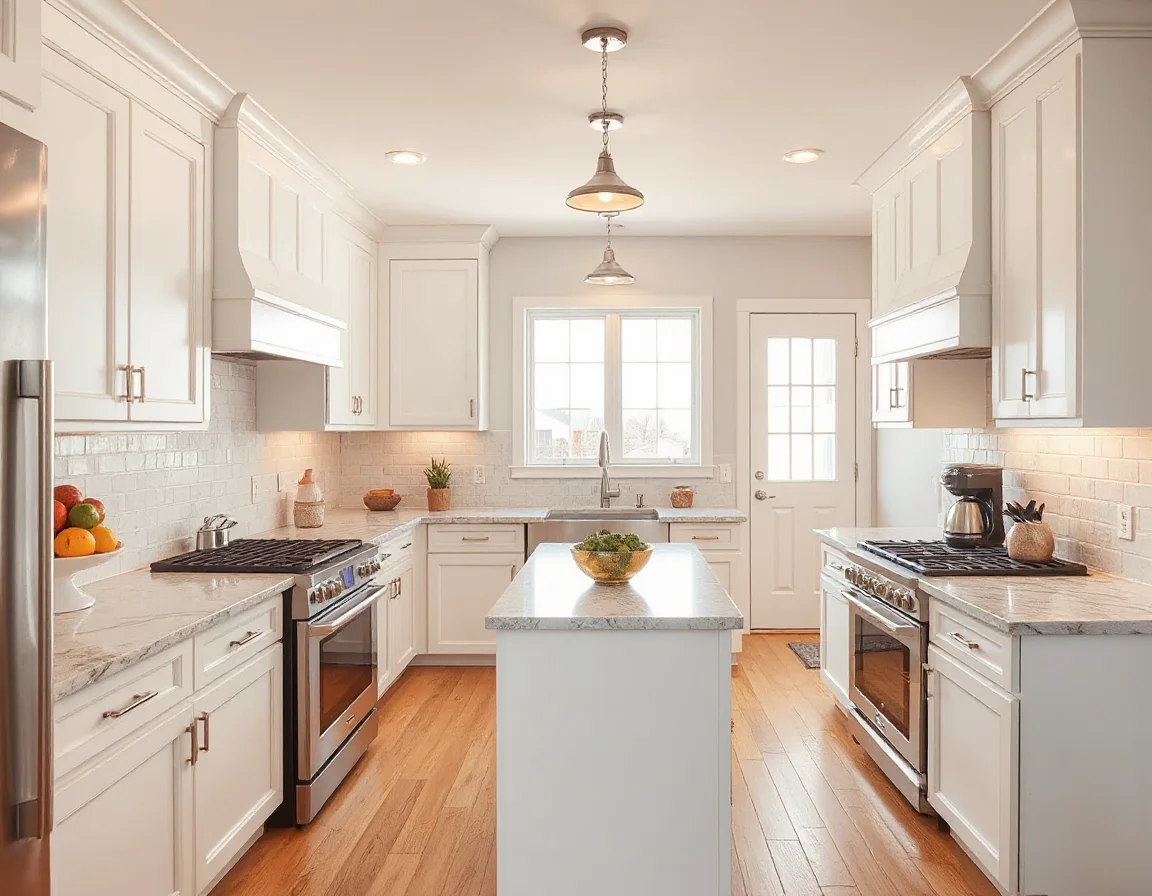
For resale, cohesion matters more than chasing every trend. Buyers generally respond well when finishes appear intentional: cabinet color works with the counters, hardware matches the faucet finish, flooring transitions cleanly between rooms, and lighting is sufficient for the tasks the room supports. A kitchen does not need a complete reconfiguration to look refreshed. In many homes, painting or refacing sound cabinets, replacing dated pulls, installing a practical faucet, updating the backsplash, and repairing worn trim can create a meaningful visual reset.
Before selecting materials, take an honest inventory of what is already working. Solid cabinet boxes, functional appliances, a practical work triangle, and usable counter space may point toward a targeted refresh rather than a full renovation. Reserve larger investments for issues that affect function or condition, such as water damage, poorly performing ventilation, unsafe electrical components, failing fixtures, or a layout that makes the room difficult to use.
A finished project photographs best when every visible detail agrees: matching outlet covers, clean caulk lines, repaired cabinet doors, and clear counters can make an update feel far more complete.
It is also wise to consider the home’s overall value range before committing to premium products. High-end materials can be wonderful when they fit the property and nearby competition, but over-improving one room while leaving major maintenance items unresolved may not deliver the result a seller expects. A balanced approach—addressing condition, improving presentation, and selecting durable finishes—usually creates the clearest story for potential buyers.
Kitchen Updates With Broad, Practical Appeal
In the kitchen, buyers often notice light, storage, counter condition, appliance placement, and how easy the room appears to maintain. Neutral does not have to mean bland. Soft whites, warm wood tones, muted greens, gentle grays, and understated tile can all work well when paired with the home’s existing flooring and architectural details. The goal is to create a finished room that feels adaptable rather than highly personalized.
- Cabinet improvements: Repair loose hinges and drawers, replace damaged fronts, and consider professional painting when cabinetry is structurally sound.
- Countertops and backsplashes: Choose durable, easy-care surfaces with a restrained pattern that will not compete with other finishes.
- Lighting: Combine overhead light with task lighting where possible, especially around food-preparation areas and sinks.
- Fixtures: A new faucet, updated hardware, and a coordinated sink can offer a noticeable change without a full remodel.
- Finishing work: Refresh paint, baseboards, switch plates, grout, and caulk so the room reads as maintained from every angle.
Appliance decisions deserve a practical review as well. If existing appliances are in good working condition and look coordinated, deep cleaning and minor repair may be enough. If one appliance is visibly dated or unreliable, replacing it with a finish that works with the rest of the kitchen can help. Avoid assuming that every project requires a luxury package; consistency, condition, and realistic pricing remain more important than a label.
For homeowners preparing to sell, timing is part of the plan. Complete messy work before listing photos and before the home is available for showings. Save paint touch-ups, final cleaning, and styling for the end, after contractors have finished. That sequence reduces repeat work and allows the kitchen to be presented as a finished, functional space rather than an active project.
Bathrooms Benefit From Clean Lines and Reliable Function
Bathrooms may be smaller than kitchens, but their condition is immediately visible. Buyers tend to look closely at tile, grout, ventilation, water pressure, lighting, vanity storage, and the state of tubs and showers. A room that is clean, dry, bright, and functional can be more persuasive than a costly redesign with too many competing finishes.
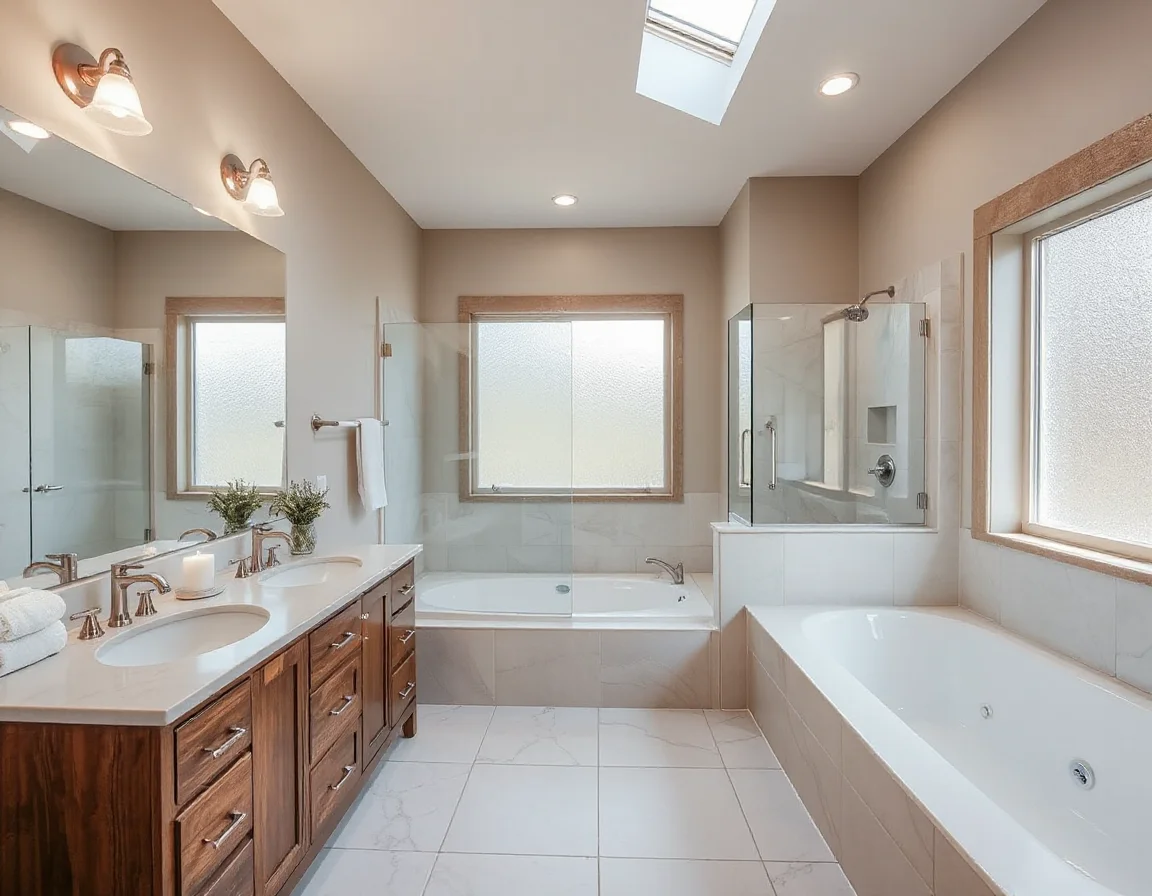
A sensible bath update often begins with the least glamorous details: repair leaks, replace stained caulk, secure loose fixtures, confirm that exhaust fans work, and address any soft flooring or damaged drywall. These corrections communicate care and can prevent a buyer from wondering whether a cosmetic issue points to a larger problem. From there, a new vanity top, mirror, light fixture, faucet, toilet seat, or towel hardware can make the room feel more current.
When replacing tile or shower surrounds, prioritize installation quality and low-maintenance materials. Simple porcelain tile, a clean tub surround, and a neutral vanity can suit many design preferences. Keep grout colors practical, make sure transitions are neatly finished, and avoid shrinking usable storage merely to follow a short-lived look. Good lighting is particularly valuable in bathrooms, where dark corners can make even a clean room feel less inviting.
A full bathroom remodel may make sense when plumbing must be updated, the layout is inefficient, or finishes have reached the end of their useful life. Still, the project should be evaluated in relation to the property as a whole. Buyers will appreciate a polished bath, but they will also notice if exterior repairs, flooring, heating and cooling maintenance, or other core items have been deferred.
Build a Scope That Supports Your Selling Plan
Before work begins, create a written scope that separates essential repairs from optional upgrades. Get estimates, confirm timelines, retain receipts and product information, and photograph major work as it progresses. Documentation will not replace disclosures, inspections, or professional advice, but it can help explain what was completed and when. It also helps sellers stay focused when a small project begins to grow.
Ask a local real estate professional to compare your home with currently available and recently sold properties in Bates before choosing the final level of finish. That conversation can help identify which improvements are most visible in the local competition and which projects are unlikely to influence the sales strategy. The right preparation plan is specific to the home’s condition, price range, location, and listing timeline.
If your budget is limited, prioritize repairs, cleaning, lighting, and cohesive finishes before adding decorative extras. Buyers can imagine personal touches; they are less likely to overlook visible maintenance.
Once the updates are complete, let the rooms breathe. Remove excess countertop items, keep bath surfaces clear, replace worn mats and towels, and make sure all lights work for photography and showings. These final details cost little compared with a renovation, yet they help the improvements register clearly in person and online.
A kitchen or bath update should not be a guessing game or a race to install the newest finish. In Bates, the most useful resale improvements are those that make the home feel cared for, functional, and easy to picture as a place to live. With a realistic scope and a presentation-focused final pass, sellers can put their investment where it is most likely to strengthen the home’s overall appeal.
