
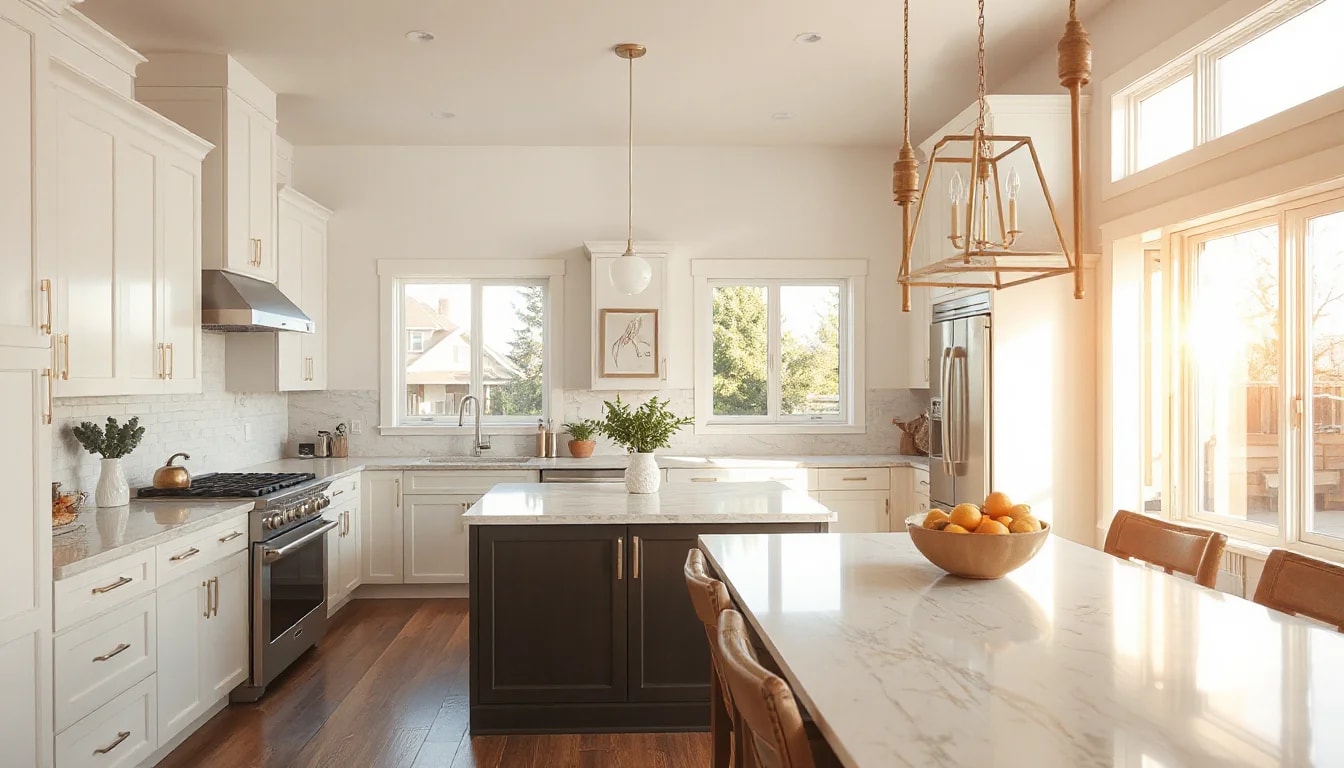
Thoughtful upgrades can make a Linn home more enjoyable now while helping it present more confidently when it is time to sell. The strongest projects are not always the most elaborate: refreshed finishes, dependable systems, and practical outdoor improvements often create the clearest day-to-day impact. Start with the features buyers can see, touch, and understand at a glance.
Begin With Comfort, Condition, and a Clear Plan
Before choosing paint colors or opening a flooring catalog, take a walk through the property with a practical eye. Notice rooms that feel dim, surfaces that show heavy wear, doors that stick, fixtures that no longer function smoothly, and spaces that are difficult to use. A home does not need to be fully remodeled to feel well cared for. Often, a coordinated group of smaller updates creates a more polished impression than one costly project surrounded by deferred maintenance.
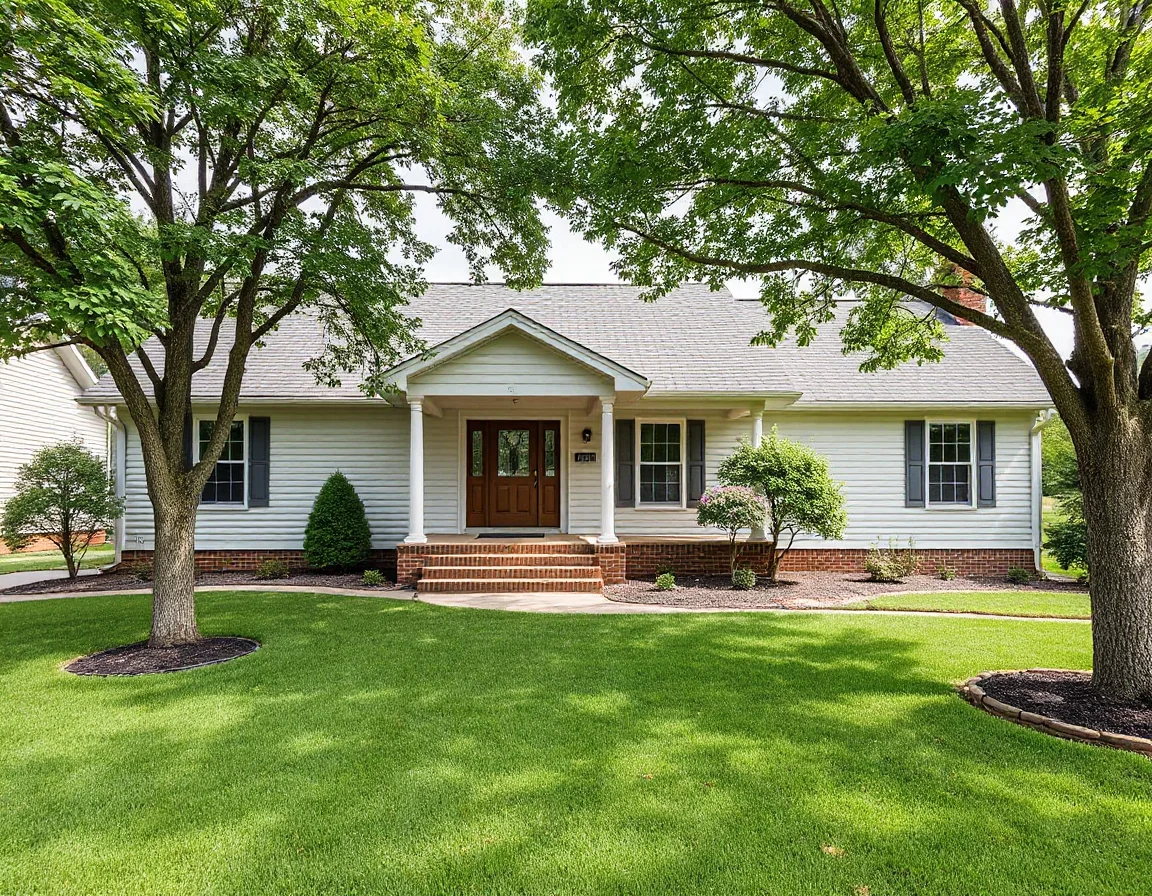
Start with the essentials. Repairs to roofing, gutters, HVAC equipment, plumbing fixtures, electrical components, and windows may not be the most photogenic improvements, but they can support comfort and reduce questions during a future inspection. Keep invoices, warranties, service records, and permits in one accessible place. That documentation helps prospective buyers understand what has been updated and gives homeowners a useful maintenance history of their own.
Efficiency upgrades can be especially worthwhile when they solve an everyday issue. Added attic insulation, weatherstripping, programmable thermostats, ceiling fans, and properly sealed doors can improve temperature consistency in changing Missouri seasons. The goal is not to promise a particular energy result; it is to make the home feel more comfortable and easier to maintain. If a larger system is nearing the end of its useful life, obtain several local estimates and weigh replacement timing against the condition of the rest of the property.
A well-documented repair or replacement can be as persuasive as a decorative update. Save receipts and before-and-after photos while the work is being done.
Curb appeal deserves attention early because it shapes the first impression before anyone steps inside. Clean siding, a freshly painted front door, updated house numbers, trimmed shrubs, clear walkways, and a functioning porch light can make an immediate difference. Choose landscaping that is manageable for the property and suited to local conditions. Healthy grass, mulch in defined beds, and uncluttered entry areas generally read as intentional without requiring a major landscape overhaul.
A realistic budget makes the process easier to manage. Separate needs from wants, then reserve a contingency for surprises behind walls, beneath flooring, or around older plumbing. It is also wise to avoid making every decision based only on resale. The best projects frequently deliver two returns: a more functional home while you live there and a more complete, move-in-ready story when you eventually list.
High-Impact Interior Updates That Feel Current
Kitchens and bathrooms are often where people notice age most quickly, but a full demolition is not the only path forward. In many Linn homes, a focused refresh can bring a space back into balance. Repainting cabinets when their construction is sound, replacing dated hardware, installing a durable faucet, updating light fixtures, and repairing worn caulk can create a noticeable change without restructuring the entire room.
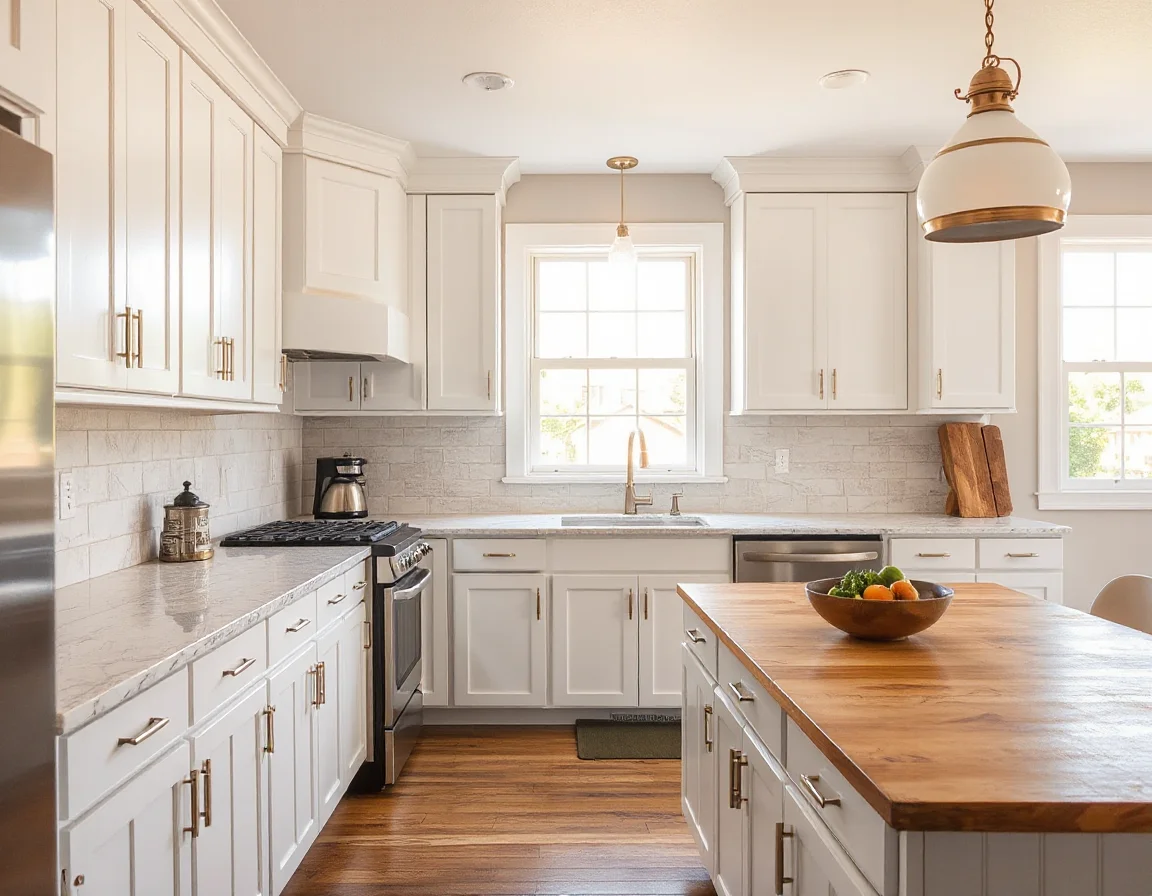
When selecting finishes, favor materials that are durable, easy to clean, and broadly appealing rather than highly personalized. Neutral paint, consistent hardware finishes, straightforward tile, and quality lighting tend to age more gracefully than trend-driven choices. This does not mean every room needs to look identical. A home feels more finished when colors and materials relate to one another while allowing each space to have its own purpose.
Lighting is one of the most overlooked upgrades. Replace mismatched or aging fixtures, add brighter bulbs where appropriate, and make sure every room has usable ambient light. Consider task lighting in kitchens, laundry areas, workspaces, and bathrooms. In rooms with limited natural light, a lighter wall color and properly placed lamps can improve the atmosphere without construction. Before selling, replace burned-out bulbs and use matching bulb temperatures so photographs and showings feel consistent.
Flooring should be evaluated as a whole rather than room by room. Deep-cleaning existing carpet, refinishing hardwood, repairing damaged transitions, or replacing worn flooring in the most visible areas can help the home feel cohesive. If replacement is needed, choose a product appropriate for the room’s traffic and moisture exposure. Buyers tend to notice uneven patches, loose planks, stained carpet, and abrupt changes in flooring more than they notice a particular brand.
For a cost-conscious interior refresh, focus on paint, lighting, hardware, repairs, and deep cleaning before committing to layout changes. These improvements are visible in listing photos and useful every day.
Storage and function also add real value to daily living. Repair closet doors and shelving, organize utility areas, add simple hooks or shelving where they solve a clear problem, and make sure garage or basement spaces are clean and accessible. Avoid permanently converting flexible areas into highly specialized spaces unless the change clearly suits the home’s layout. Flexibility lets future owners imagine a variety of uses for a room without requiring immediate changes.
Choose Projects With a Future Sale in Mind
Resale value is influenced by many factors beyond upgrades, including condition, location, inventory, financing conditions, and buyer preferences at the time of sale. No renovation guarantees a specific return. Still, homeowners can make smarter choices by comparing the planned project with the price range and condition of similar properties in the area. An improvement should fit the scale of the home and support its overall presentation rather than feel disconnected from the rest of the property.
It is helpful to think in layers. The first layer is maintenance: protect the roof, structure, mechanical systems, and drainage. The second is livability: improve comfort, lighting, storage, and flow. The third is presentation: fresh paint, updated fixtures, clean surfaces, and inviting exterior details. Addressing these layers in order can keep spending focused and prevent cosmetic work from being undone by later repairs.
- Repair visible defects before adding decorative upgrades.
- Choose materials that fit the home’s age, architecture, and level of finish.
- Keep records for major work, including contractor information and warranties.
- Complete projects fully, including trim, touch-up paint, and cleanup.
- Request local pricing guidance before undertaking a major renovation for resale alone.
Timing matters, too. A project begun shortly before a listing date can create stress, unexpected expenses, and incomplete details. If a move may be on the horizon, prioritize clean, complete, and easy-to-explain improvements over a long list of ambitious renovations. A professional market conversation can help identify what current listings offer, where a property may benefit from attention, and which updates are unlikely to influence the final presentation.
Whether the goal is a more comfortable home this season or stronger preparation for a future sale, the most effective upgrades are intentional. Tackle maintenance, choose enduring finishes, and focus attention on the spaces that shape everyday routines. With a clear plan and sensible scope, improvements can make a Linn property feel better cared for now and easier for future buyers to appreciate later.
