
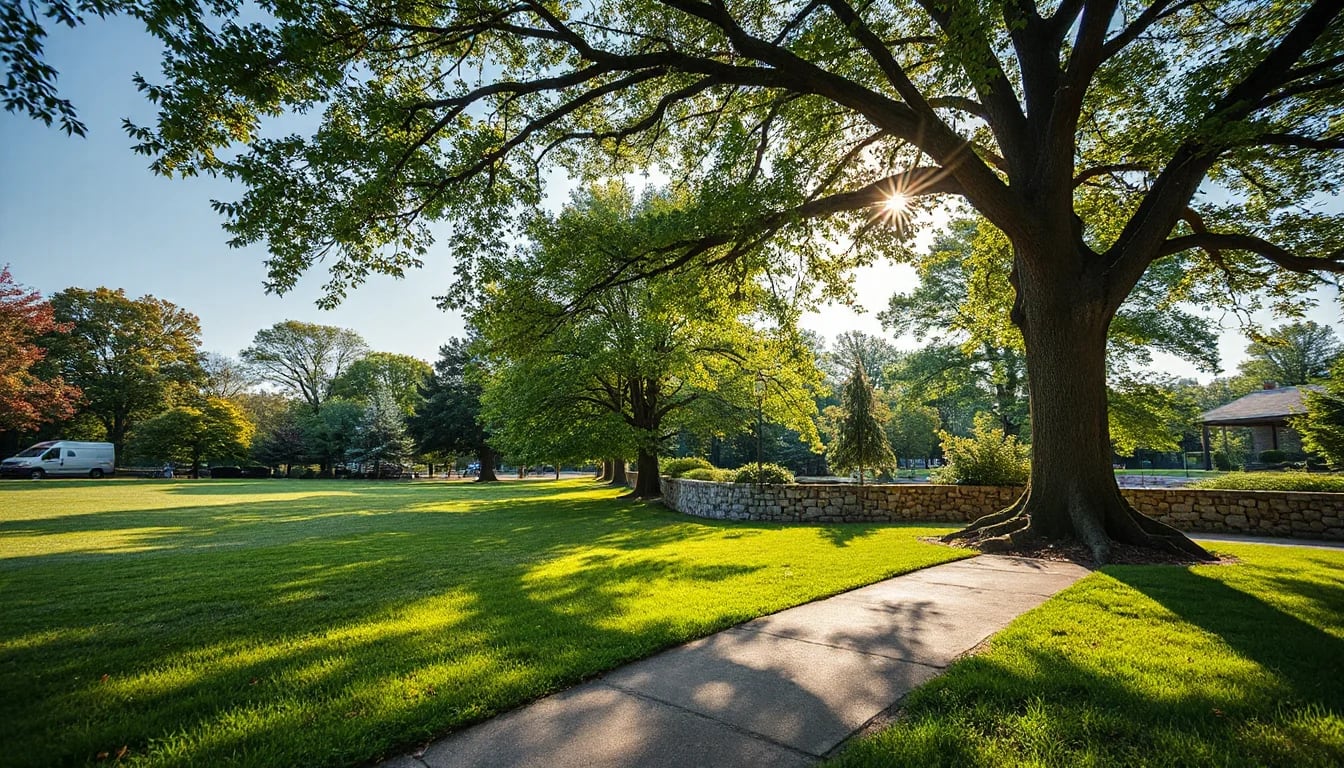
Wyandotte offers far more than a route between destinations. From lakeside trails and riverfront views to longtime local dining spots and landmark districts, the area rewards anyone willing to spend an afternoon exploring. This guide highlights a few ways to experience the places that give Wyandotte its distinct rhythm and sense of place.
Start Outside: Parks, Water, and Open-Air Views
One of the easiest ways to get acquainted with Wyandotte is to begin outdoors. The area includes settings that range from neighborhood green spaces and athletic fields to larger natural areas where water, trees, and changing seasons take center stage. Whether the plan is a short walk, a picnic, a fishing outing, or a longer afternoon on the trail, local parks provide a practical way to see how the region connects everyday recreation with its broader landscape.
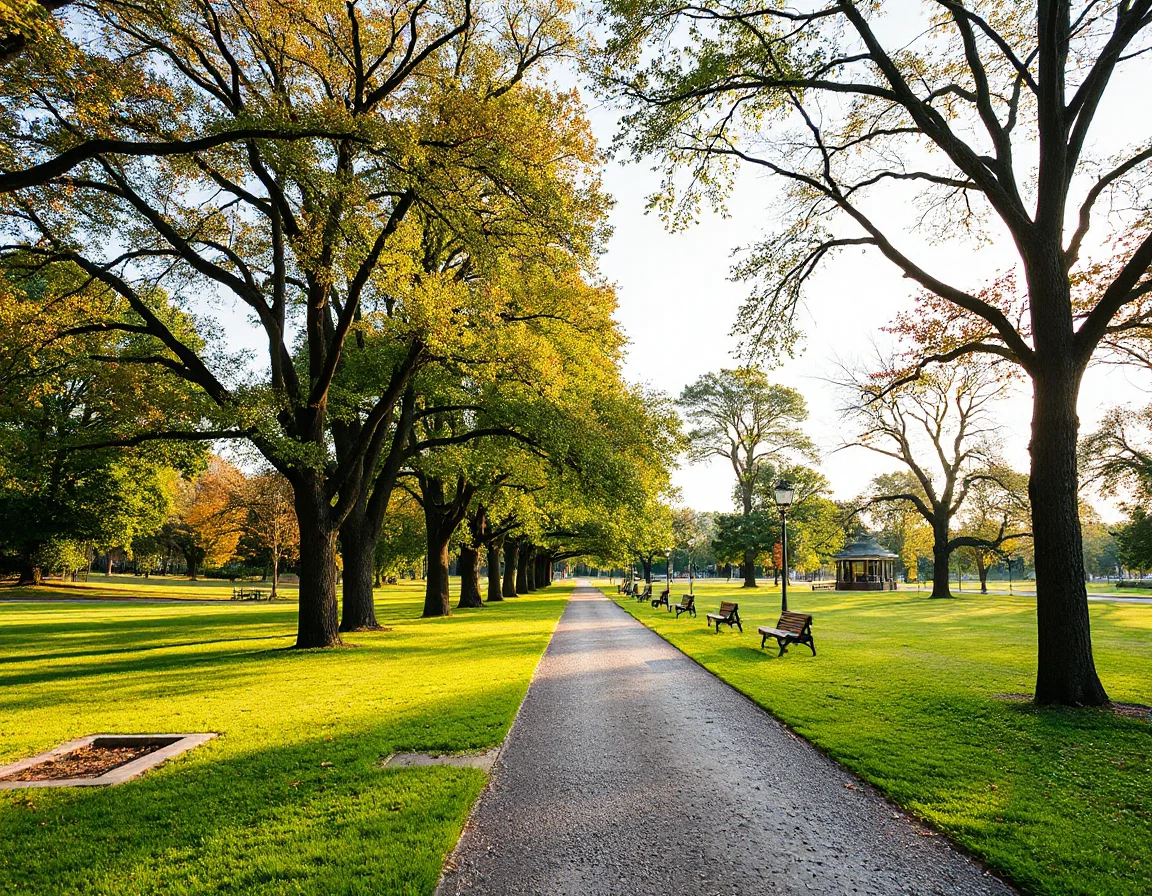
Wyandotte County Lake Park is a familiar destination for people seeking water views and room to spread out. The lake setting makes it a natural stop for fishing, boating, wildlife observation, and relaxed walks near the shoreline. It is also a useful reminder that the metro’s landscape is not limited to paved corridors: wooded edges, open water, and rolling terrain are all part of the local experience. Conditions and available facilities can vary by season, so checking current park information before a visit is always worthwhile.
Along the Missouri and Kansas rivers, Kaw Point offers a different kind of outdoor landmark. The site is closely connected with the Lewis and Clark expedition and provides a riverfront perspective on the meeting of two major waterways. Its trails and overlooks invite visitors to slow down and notice the scale of the rivers, the bridges crossing them, and the industrial and civic history that developed around the confluence.
For a simple local outing, pair a morning at Wyandotte County Lake Park with an afternoon riverfront walk at Kaw Point; the two settings show very different sides of the county’s landscape.
Smaller public spaces matter, too. Community parks throughout the area support informal recreation, seasonal events, and everyday time outdoors. When exploring a particular neighborhood, nearby trails, playgrounds, courts, shade, parking, and connections to other destinations can all be useful details to notice. These amenities are part of the practical texture of a place—not just points on a map.
A Dining Scene Built on Local Traditions
Dining in Wyandotte is often an invitation to follow the aroma rather than a strict itinerary. Kansas City, Kansas, has longstanding connections to Mexican cuisine, barbecue, bakeries, and independently operated kitchens serving recipes shaped by generations of local history. The best approach is to arrive curious, allow extra time, and treat the meal as part of the exploration rather than a stop between appointments.
Historic commercial corridors and neighborhood centers offer a mix of casual counter service, sit-down meals, specialty groceries, and familiar regional favorites. Menus may change, hours can be limited, and popular locations can be busiest at traditional meal times. That variety is part of the appeal: returning on different days can lead to a new dish, a seasonal special, or a place that had not appeared on the original plan.
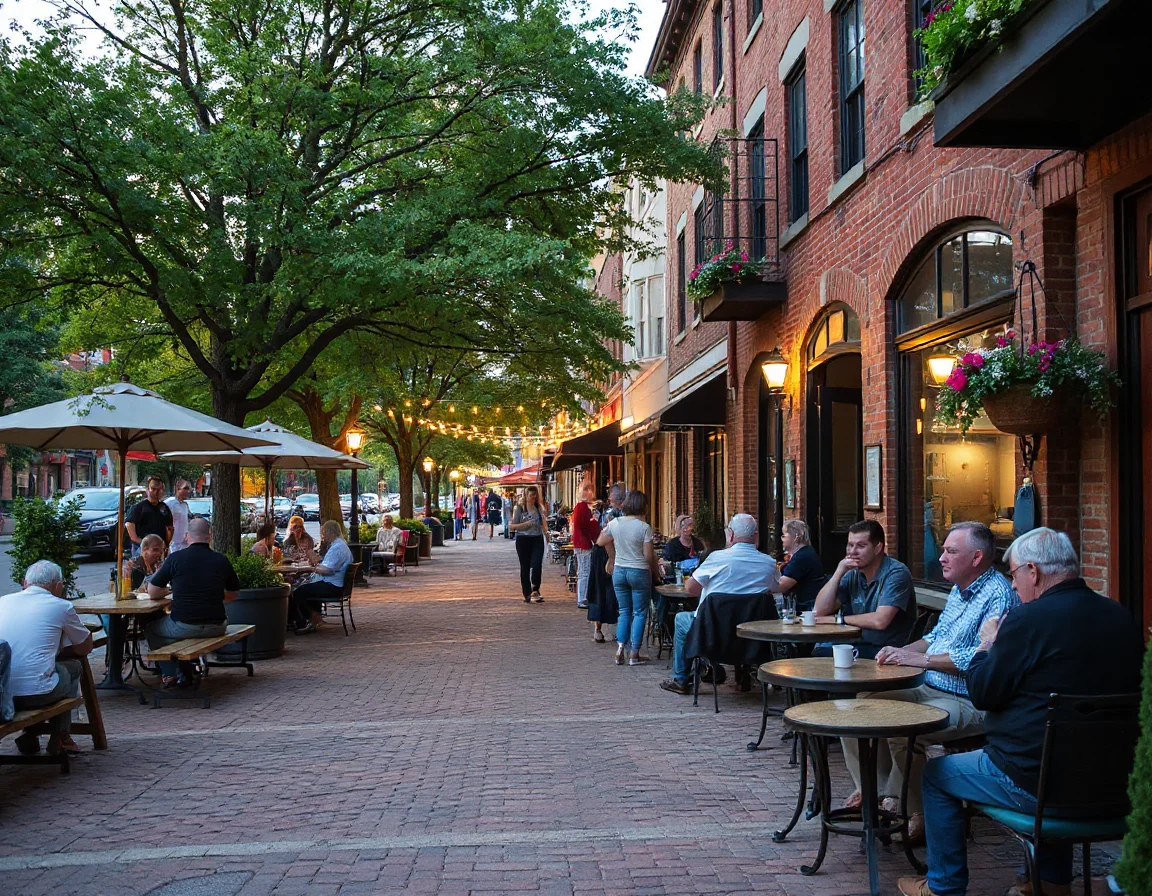
For those interested in local food history, Argentine is an especially meaningful area to explore. Its railroad-era roots and cultural traditions have helped shape a food landscape where visitors can find both long-running establishments and newer additions. Elsewhere, Strawberry Hill’s hillside streets and historic character create another memorable setting for an afternoon of wandering, with views and architectural details adding context to the area’s culinary stops.
Dining exploration is also a practical way to learn the geography of Wyandotte. A favorite lunch spot can become a reason to revisit a district, discover a nearby park, or notice a route that connects to the rest of the metro. Rather than making broad assumptions about any one part of the county, spend time with the actual blocks, services, public spaces, and businesses that shape the day-to-day experience.
A locally focused food tour does not need a packed schedule: choose one district, try one established favorite and one new-to-you stop, then leave time to walk the surrounding streets.
Explore Wyandotte area information
Landmarks That Tell a Larger Story
Wyandotte’s landmarks reflect layers of regional history, transportation, industry, sports, arts, and civic life. The architecture of older districts can reveal the influence of streetcar routes, rail connections, and hillside development. At the same time, newer destinations near Village West and the Kansas Speedway demonstrate how entertainment, retail, lodging, and major events have added another dimension to the county’s identity.
Strawberry Hill remains one of the area’s most recognizable historic districts, known for its elevated streets, older homes, churches, and views toward the surrounding metro. A drive or walk through the area can reveal a varied collection of building styles and topography that feels notably different from flatter parts of the county. Respect private property while exploring, and enjoy the public streets, sidewalks, and designated destinations at an unhurried pace.
For history at a larger geographic scale, the confluence at Kaw Point connects local scenery with national exploration history. Nearby, the Kansas City, Kansas, city center contains civic buildings and historic corridors that speak to the area’s role as an independent city within a much larger metropolitan region. These places are not museum pieces frozen in time; they continue to sit within active communities, transportation networks, and changing commercial landscapes.
Landmarks are often most rewarding when paired with a little context. Before visiting, look for official hours, event calendars, parking guidance, accessibility information, and any seasonal updates. A short bit of planning can make an outing more comfortable and can help turn a casual stop into a more meaningful experience of the region.
Exploring Wyandotte With a Real Estate Lens
For home buyers and homeowners, local amenities are one part of understanding a property’s setting. Proximity to parks, recreation, dining, highways, employment centers, transit options, and community destinations can affect daily routines and should be evaluated alongside the home itself. Each location comes with its own tradeoffs, including traffic patterns, lot characteristics, noise levels, maintenance responsibilities, and the availability of services.
When comparing homes, it can help to visit the surrounding area at more than one time of day. Observe travel routes, street conditions, nearby public amenities, and the distance to the destinations that matter to your own plans. This approach keeps the focus on measurable features and personal logistics rather than generalized impressions. A knowledgeable local real estate professional can also help identify relevant property details, review current listing data, and coordinate a thoughtful search process.
Wyandotte is best understood in layers: a lake trail on one day, a historic hillside street on another, a meal that becomes a new favorite, and a landmark that adds context to the view. Those experiences make it easier to see the county as more than a collection of addresses. They reveal a place with outdoor options, local enterprise, history, and a continually evolving metropolitan connection.
