
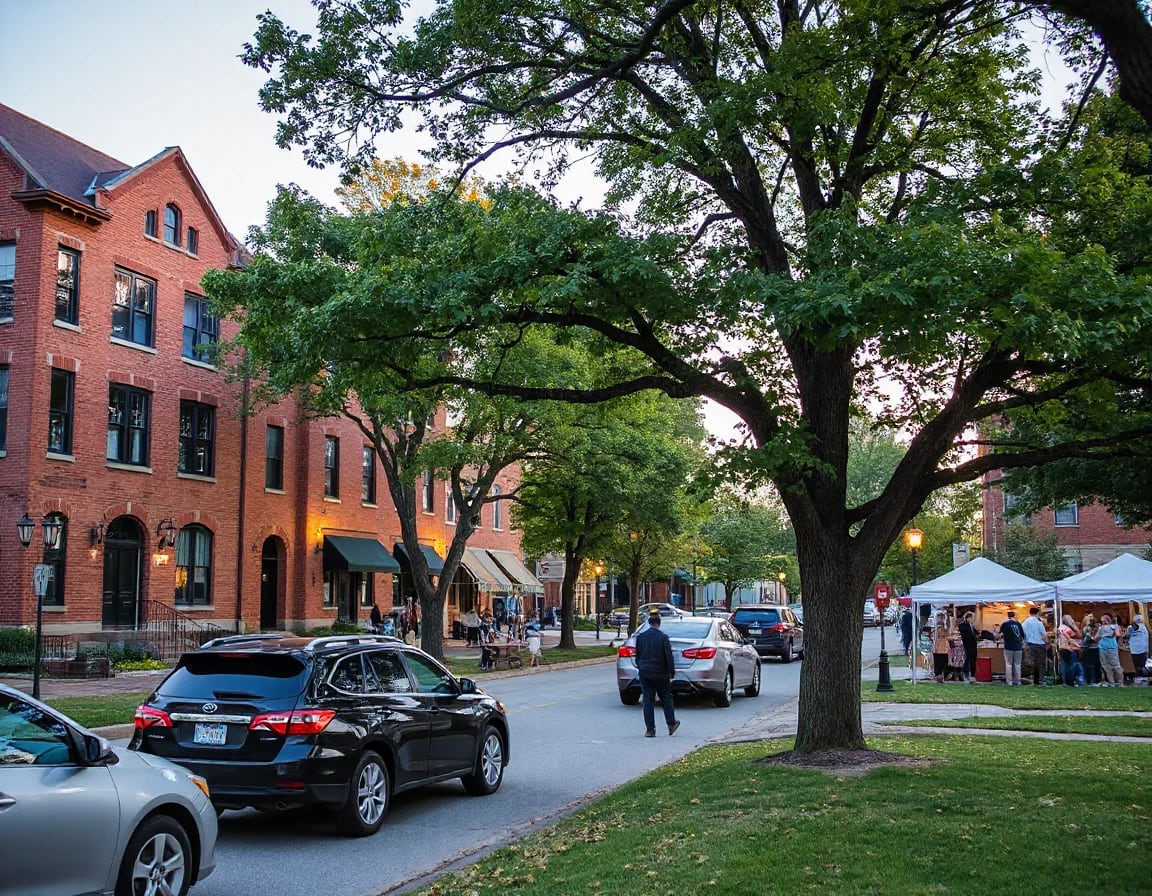
Lafayette County offers a memorable blend of historic architecture, locally owned businesses, open countryside, and practical everyday services. Whether you are comparing towns, planning a move, or simply getting to know the area, the best way to understand Lafayette is to look at how its historic places and daily routines fit together.
A Place Where History Is Part of the Daily Landscape
Across Lafayette County, Missouri, USA, history is not limited to a single museum stop or a once-a-year event. It appears in courthouse squares, brick commercial buildings, established residential streets, civic landmarks, and the roadways that connect communities throughout the county. From Lexington and Higginsville to Odessa, Concordia, Waverly, and the smaller surrounding communities, the area offers many opportunities to experience a sense of place while taking care of everyday errands.
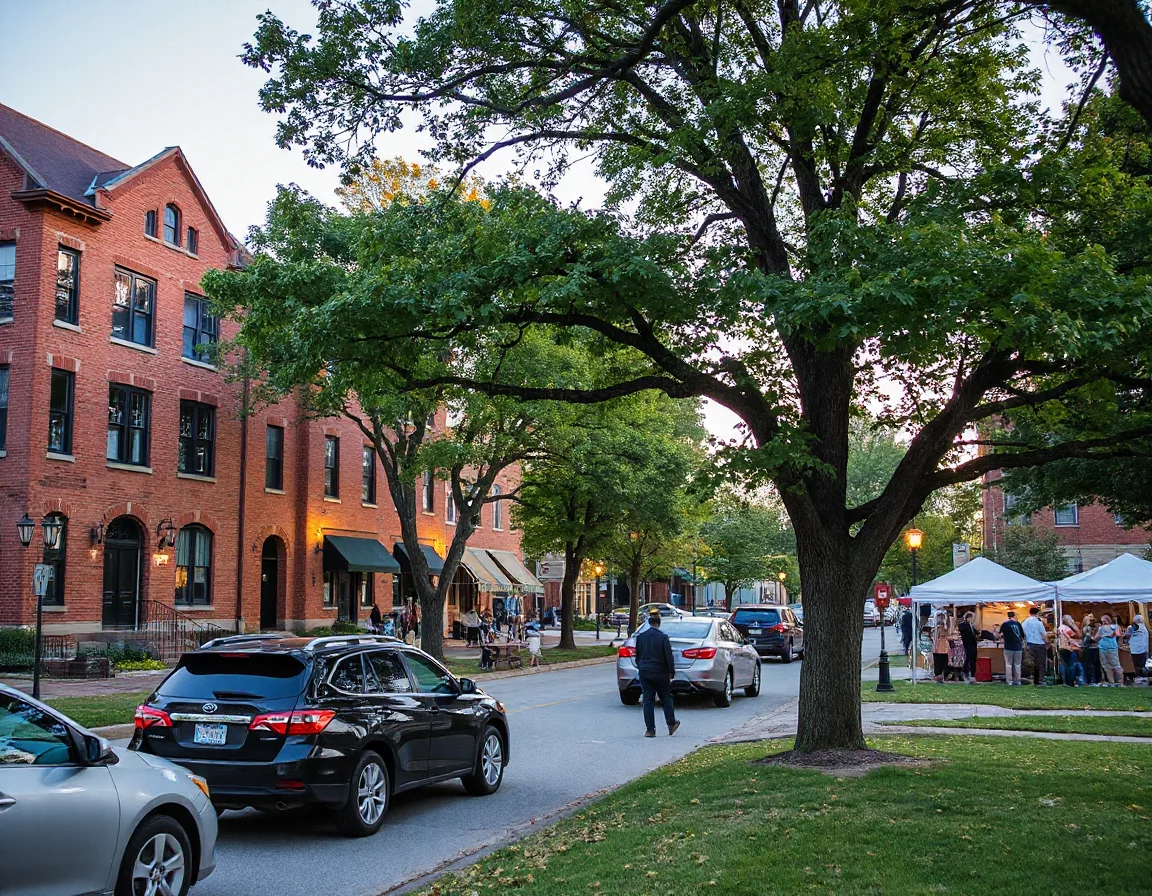
Lexington is often one of the first places people explore when learning about the county. Its established streets, historic sites, and Missouri River setting make it a notable destination for architecture, local history, and community events. A stroll through the central area can reveal a mix of preserved older structures and active businesses, creating an environment where the past and present sit comfortably side by side.
Elsewhere in the county, each community has its own pace and visual character. Some areas feature traditional town blocks with close access to services, while others offer larger lots, agricultural surroundings, or a more rural road network. This variety matters when considering a home purchase because the daily experience can differ greatly depending on location, property type, and proximity to the services most important to you.
When comparing homes in Lafayette County, look beyond the address alone: road access, lot layout, utility availability, and distance to everyday services can shape how a property functions from season to season.
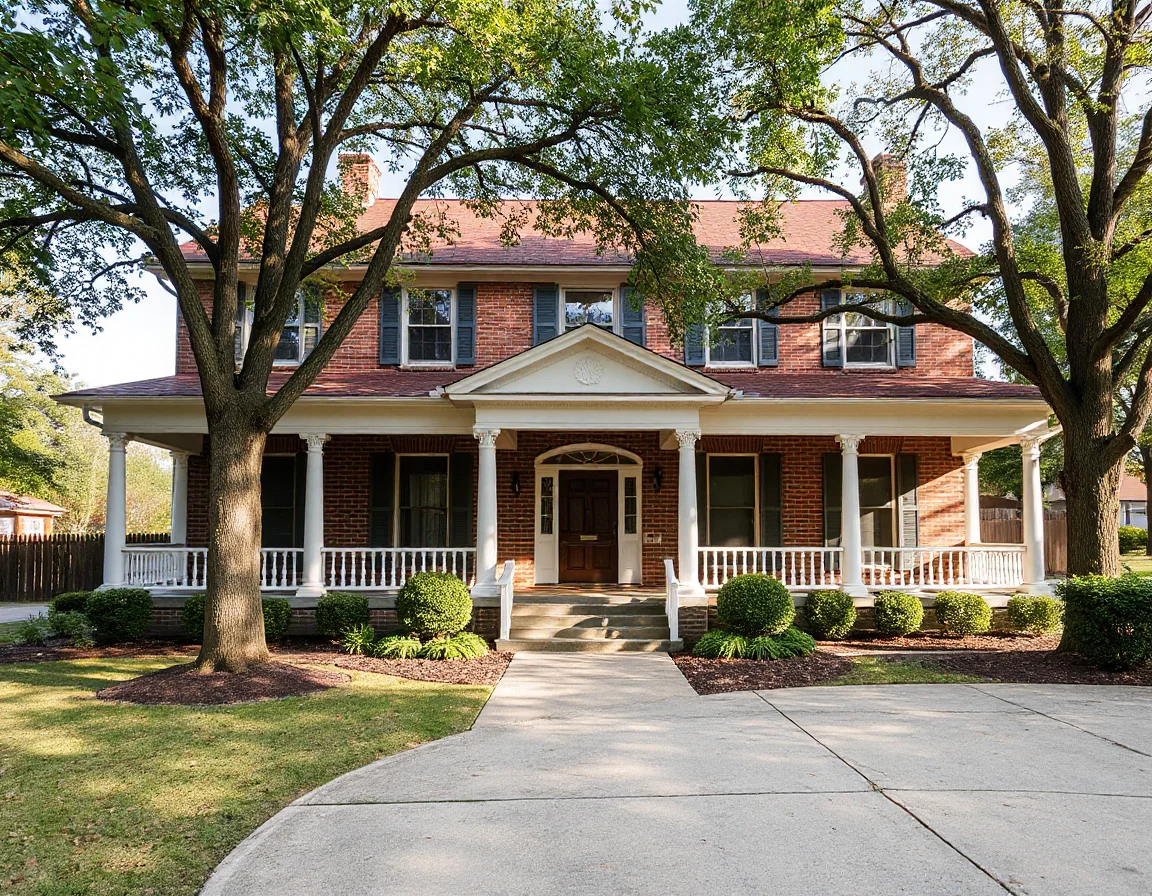
Historic character also brings practical considerations. Older homes may include original woodwork, brick details, porches, tall ceilings, or distinctive floor plans, but buyers should also evaluate updates to roofing, electrical systems, plumbing, insulation, foundations, and heating and cooling. A thoughtful inspection and a clear understanding of maintenance needs can help turn appreciation for an older home into a confident purchasing decision.
Local Stops and Everyday Errands
Lafayette County’s local businesses are part of what gives its communities their everyday rhythm. Independent service providers, dining options, hardware and farm-supply resources, groceries, health services, and community organizations can make routine tasks feel more connected to the place where they happen. Availability varies by town, so it is useful to visit at different times of day and make note of the routes you would use most often.
For many residents, convenience is less about having every destination within a few blocks and more about having dependable access to the essentials. In and around larger county communities, people can find a practical mix of services, while nearby regional routes make it possible to reach additional options in the Kansas City metropolitan area and other Missouri destinations. Commute times, traffic patterns, and preferred routes should always be checked personally, especially if work, appointments, or frequent travel shape your schedule.
A visit to a local business district can also help clarify the feel of a community. Notice the condition of sidewalks and streets, the mix of established buildings and newer improvements, public gathering spaces, parking patterns, and the nearby residential blocks. These details offer useful context when deciding whether a particular location aligns with your preferences for access, maintenance, and the amount of activity around your home.
Seasonal events and civic programming often provide another way to experience the county. Community celebrations, agricultural traditions, arts programming, historic tours, and recreation activities can bring people together throughout the year. Event schedules change, so it is smart to confirm dates directly with local organizers, but attending one can offer a more complete picture than a quick drive through town.
A weekday visit and a weekend visit can tell two different stories. Plan time for both when exploring Lafayette County so you can observe traffic, parking, activity levels, and typical travel routes.
For buyers, this kind of on-the-ground research is especially valuable. Online listing photos can show a kitchen, a backyard, or a home’s exterior, but they cannot fully convey the experience of approaching the property, navigating the surrounding roads, or seeing how the neighborhood changes from one block to the next. Taking notes during showings can make comparisons easier once you have visited several homes.
Recreation, Scenic Drives, and Open Space
The landscape around Lafayette County adds another dimension to daily life. Rolling farmland, river-adjacent scenery, mature trees, and open views create changing backdrops throughout the year. Spring green-up, summer shade, fall color, and winter’s quieter fields all give the area a distinct visual rhythm without requiring a long trip outside the county.
Local parks, public spaces, trails, and recreation areas can be useful points of reference when getting familiar with an area. They offer opportunities for walking, outdoor activities, community gatherings, and time outside, while also helping visitors understand how each town uses its shared spaces. Before relying on a particular amenity, check current hours, access rules, maintenance schedules, and parking information with the relevant local authority.
Drivers often appreciate that the county’s roads connect historic communities, agricultural land, and regional destinations. At the same time, road conditions and travel times can vary with weather, construction, school schedules, and seasonal farm traffic. A route that feels quick on a quiet afternoon may feel different during a weekday morning or after a storm, so practical test drives are worthwhile before making a final decision.
Finding the Right Fit in Lafayette County
The real estate landscape in Lafayette County can include historic homes near established town centers, newer construction, rural properties, acreage, cottages, and homes with outbuildings or flexible land use. Inventory changes over time, and each property may come with different considerations involving zoning, utilities, floodplain information, easements, septic systems, well service, or internet availability. These are all items worth reviewing carefully during the search process.
Rather than focusing only on square footage or bedroom count, create a list of how you want a property to work in everyday life. Consider storage needs, maintenance comfort level, outdoor space, parking, travel routes, accessibility features, and the services you use regularly. For a historic home, include room for preservation and repair planning; for a rural property, include time to understand land boundaries, access, and service arrangements.
Exploring Lafayette County with curiosity can reveal details that do not appear in a listing description: the shade on a porch in late afternoon, the character of a town block, the drive between communities, or the practical ease of picking up groceries after work. Those small observations can become some of the most useful information in a home search.
Historic streets, local destinations, and everyday conveniences are all part of the Lafayette County story. By pairing online research with in-person visits and careful property evaluation, home buyers can better understand the options available and make decisions with a clear view of both the home and the larger community around it.
