
A home inspection can shift a purchase from exciting to expensive in a single afternoon, especially when the report reveals issues that affect structure, moisture control, safety systems, or future repair costs. Knowing which red flags deserve extra scrutiny helps buyers ask better follow-up questions, compare estimates, and negotiate from a stronger position. The goal is not to fear every defect, but to separate routine maintenance from problems that can materially change the value and livability of a property.
What deserves your closest attention in an inspection report
Not every item on an inspection report should trigger alarm. Most homes, including well-maintained ones, have a running list of small repairs: loose handrails, worn caulk, aging appliances, or minor grading tweaks. The bigger concern is whether the report points to a pattern of deferred maintenance or to a major system nearing the end of its useful life. Buyers benefit most when they read the report in layers: first for health and safety concerns, then for water intrusion and structural issues, and finally for the cost of major components such as roofing, electrical service, plumbing, and HVAC.

One of the clearest warning signs is water where it should not be. Staining on ceilings, damp basement walls, musty odors, soft spots near tubs or showers, or evidence of previous patchwork repairs can point to active leaks or older damage that may still need evaluation. Moisture problems tend to multiply because they can affect framing, insulation, drywall, flooring, and indoor air quality all at once. If an inspector notes moisture intrusion, buyers should usually ask whether the source has been identified, whether the condition appears active, and whether a specialist should evaluate the area before closing.
Another red flag is foundation movement or structural distress. Hairline cracks are common in many materials, but larger stair-step cracking in masonry, sloping floors, sticking doors, or visible separation around windows can suggest movement worth reviewing closely. A general inspector may recommend additional evaluation by a structural professional when the signs go beyond normal settlement. That recommendation matters because structural repairs can be costly, but sometimes the issue is more manageable than the report first makes it seem. The key is getting the right expertise before making assumptions.
Inspection language like “monitor,” “further evaluation recommended,” or “appears beyond normal wear” is worth slowing down for. Those phrases often mark the difference between a cosmetic issue and a budget item that could change your offer strategy.
Roofing also belongs near the top of the list. An older roof is not automatically a deal-breaker, but missing shingles, sagging areas, damaged flashing, or signs of prior leakage deserve extra attention. Buyers should look beyond the simple phrase “roof is aged” and focus on remaining useful life, visible defects, and whether repairs appear isolated or widespread. The same goes for gutters and drainage; poor water runoff can create avoidable damage around foundations and basements over time.
Systems that can turn into expensive surprises
Mechanical and utility systems are often where inspection findings become negotiation points. Electrical issues, for example, range from simple fixes to significant safety and upgrade costs. Outdated panels, double-tapped breakers, missing GFCI protection in expected locations, amateur wiring, or overheated components should be reviewed carefully. These are not items buyers should interpret casually from photos alone. When the report suggests a licensed electrician should take a closer look, that next step can provide the cost clarity needed to move forward confidently.
Plumbing concerns can be equally important, especially when signs point to hidden leaks, old supply materials, recurring drain backups, or water heater problems. Low water pressure might be a quick fix, or it might reflect a larger issue. Slow drains can stem from a minor clog, or they can hint at line deterioration. What matters is the pattern. Multiple plumbing comments in different parts of the home can indicate a broader condition that deserves estimates before contingency deadlines expire.
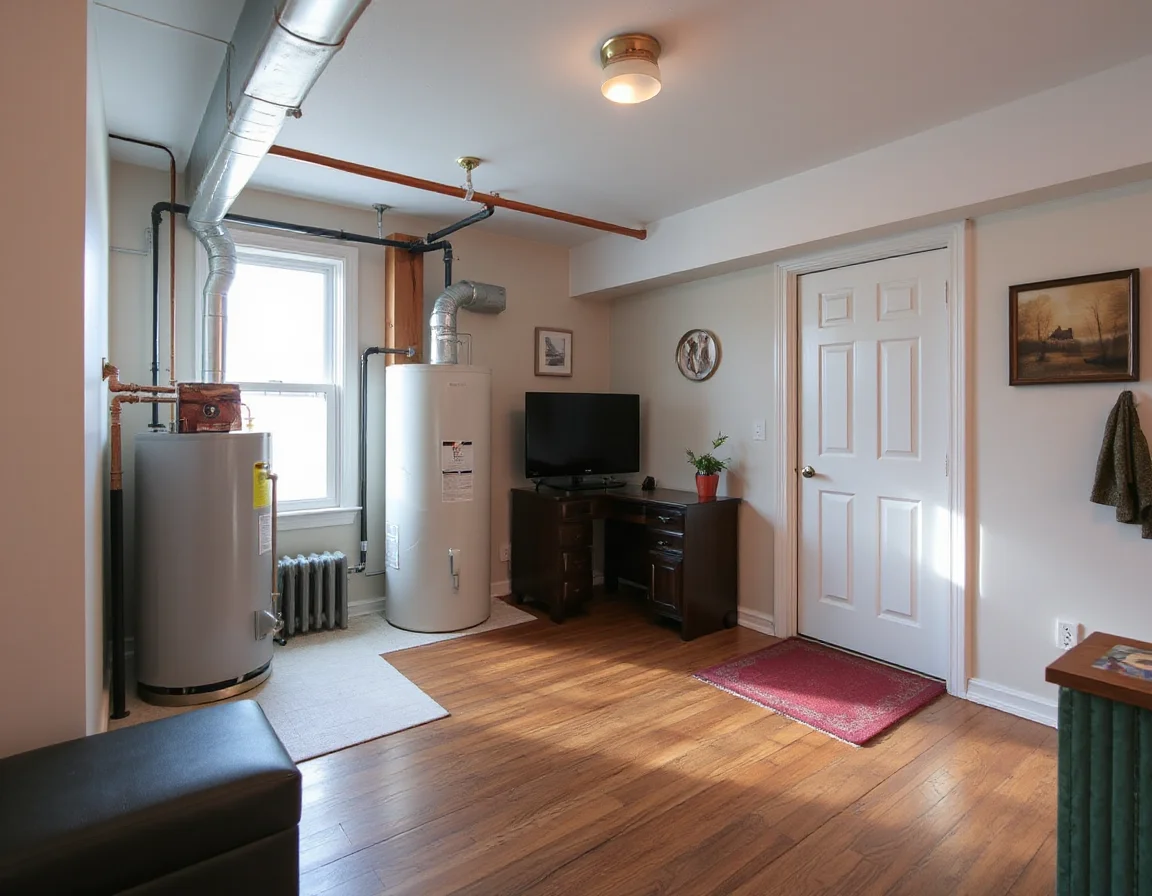
HVAC equipment often falls into a similar category. A furnace or air conditioner that works on inspection day may still be near replacement age. Reports that mention poor maintenance, rust, inconsistent performance, damaged ductwork, or cooling and heating differences between rooms deserve follow-up. Buyers do not need every system to be brand new, but they do need a realistic picture of expected replacement timing so they can budget accurately after move-in.
A short inspection objection period can move fast when multiple specialists are needed. Scheduling roof, foundation, electrical, or plumbing follow-up visits immediately after the inspection can preserve time for estimates and negotiations.
Windows, doors, and insulation may seem secondary compared with structure and systems, yet they can shape both comfort and long-term ownership costs. Failed window seals, deteriorated trim, and air leakage are often manageable. But when these issues appear together with moisture staining or exterior maintenance problems, they can reinforce a larger story about upkeep. Buyers should pay attention to clusters of issues rather than judging each line item in isolation.
Plan your home purchase with confidence
How buyers can respond without overreacting
An inspection report is a tool for decision-making, not a pass-fail test. Even serious findings do not always mean a buyer should walk away. In many cases, the better move is to request specialist evaluations, obtain written estimates, and decide whether repairs should be completed before closing, credited at closing, or reflected in a price adjustment. Clear numbers turn anxiety into strategy.
It also helps to distinguish between defects and future maintenance. An inspector may note that a water heater is older, a driveway has cracks, or exterior paint is nearing refresh time. Those are useful planning notes, but they are different from active leakage, electrical hazards, or structural instability. Buyers who separate immediate concerns from predictable upkeep are usually better positioned to make rational choices instead of reacting emotionally to a long report.

Documentation matters here. Buyers should review the inspection alongside seller disclosures, contractor bids, permit history when available, and any repair invoices the seller can provide. If a seller has already addressed an issue professionally, the paperwork may answer key questions. If documentation is missing, that does not automatically signal a problem, but it may justify closer review before removing contingencies.
Negotiation strategy should stay focused and specific. Rather than sending a broad request based on every minor item, many buyers have better results when they prioritize the issues that affect function, safety, water management, or major capital costs. A concise repair request, paired with the relevant report sections and bids, is easier for all parties to evaluate. It also keeps the conversation centered on facts instead of frustration.
Talk through inspection findings with a local real estate professional
A smart inspection review is really a budget review
At its core, an inspection is about understanding condition in financial terms. A home with older systems may still be a strong purchase if the price, location, layout, and projected updates all make sense together. On the other hand, a property with hidden moisture, unresolved structural movement, and multiple overdue system replacements may carry a cost profile that no longer fits the buyer’s plan. The smartest response is not panic or blind optimism. It is to measure the report against your available cash, financing structure, risk tolerance, and maintenance expectations for the first few years of ownership.
When buyers review red flags closely, ask focused follow-up questions, and get specialist input where needed, the inspection process becomes far more useful. It stops being a stack of warnings and becomes a roadmap for a better decision. Whether the next step is renegotiation, repair requests, or moving on to another property, clarity is the real win.
