

Pricing a home well in Clay is less about guessing high and more about creating the right response in the first days on market. A strong launch price can increase showing activity, protect negotiating leverage, and help sellers avoid the stale-listing effect that often follows repeated price cuts. This guide breaks down how to read local competition, weigh condition honestly, and choose a number that attracts serious offers instead of casual clicks.
Why pricing strategy matters more than the starting number
Many sellers focus on one question: “How high can I list?” In practice, the better question is, “What price will motivate qualified buyers to schedule a showing and write?” The market in any county or neighborhood reacts quickly to new inventory, and buyers today have instant access to price comparisons, recent sales, and days-on-market trends. That means an asking price is not just a number on a sign; it is the first signal buyers use to decide whether a property deserves their time.
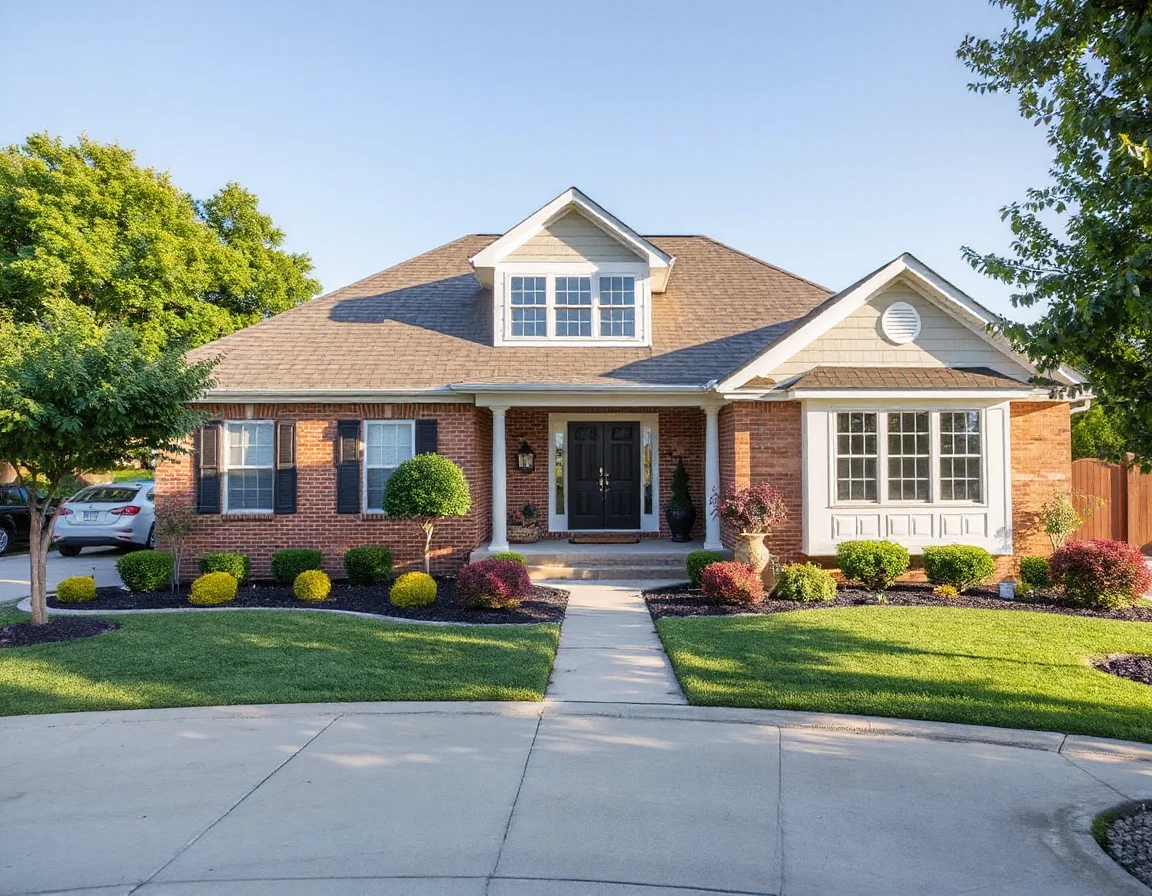
When a home is priced too aggressively from day one, it can miss the audience most likely to act early. Search filters often cap what people see, so even a small overreach can push a listing out of the range where it would have gained the most attention. The result is often fewer tours, weaker urgency, and more negotiating pressure later. By contrast, a price that aligns with market evidence can generate stronger interest because buyers recognize value quickly.
That does not mean pricing low without a plan. It means using current data, realistic condition adjustments, and comparable inventory to position the home where it stands out for the right reasons. In Clay, where home styles, lot sizes, and neighborhood patterns can vary from one pocket to the next, precision matters.
The first week on market often sets the tone. If activity is quiet right away, the issue is frequently pricing, presentation, or both—not necessarily a lack of buyer demand overall.
Start with comparable sales, but do not stop there
The most useful starting point is recently closed sales that truly resemble the property in size, layout, age, condition, and location. A nearby sale from six months ago may help, but a sale from the last 30 to 90 days usually reflects current buyer behavior more accurately. Active listings matter too, because they represent the homes a seller is competing against right now. Pending listings can be especially helpful because they show what buyers have chosen, even if the final sale price has not posted yet.
Still, comparables are not a simple average. A home with updated kitchens, newer systems, polished landscaping, or a more functional floor plan may justify a stronger number than another house with similar square footage. On the other hand, deferred maintenance, dated finishes, or an awkward layout can affect how buyers perceive value immediately, even before they read the full listing description.
Sellers also benefit from looking at the competitive bracket around their likely price point. If your home could list at $395,000 or $405,000, it is worth studying what appears in each range. Crossing a round-number threshold can place the home into a different buyer pool, and that shift may either expand or limit exposure depending on the surrounding inventory.
Condition, updates, and presentation all influence value
Pricing decisions should account for how the home will feel to a buyer during a showing, not just how much the owner has invested over time. Some updates bring strong market appeal because they are visible and easy to understand: fresh paint, improved lighting, updated flooring, a renovated kitchen, or a well-finished bath. Other expenses are important but may not produce a dollar-for-dollar increase in list price, especially if they are expected maintenance items like mechanical replacements or roof repairs.
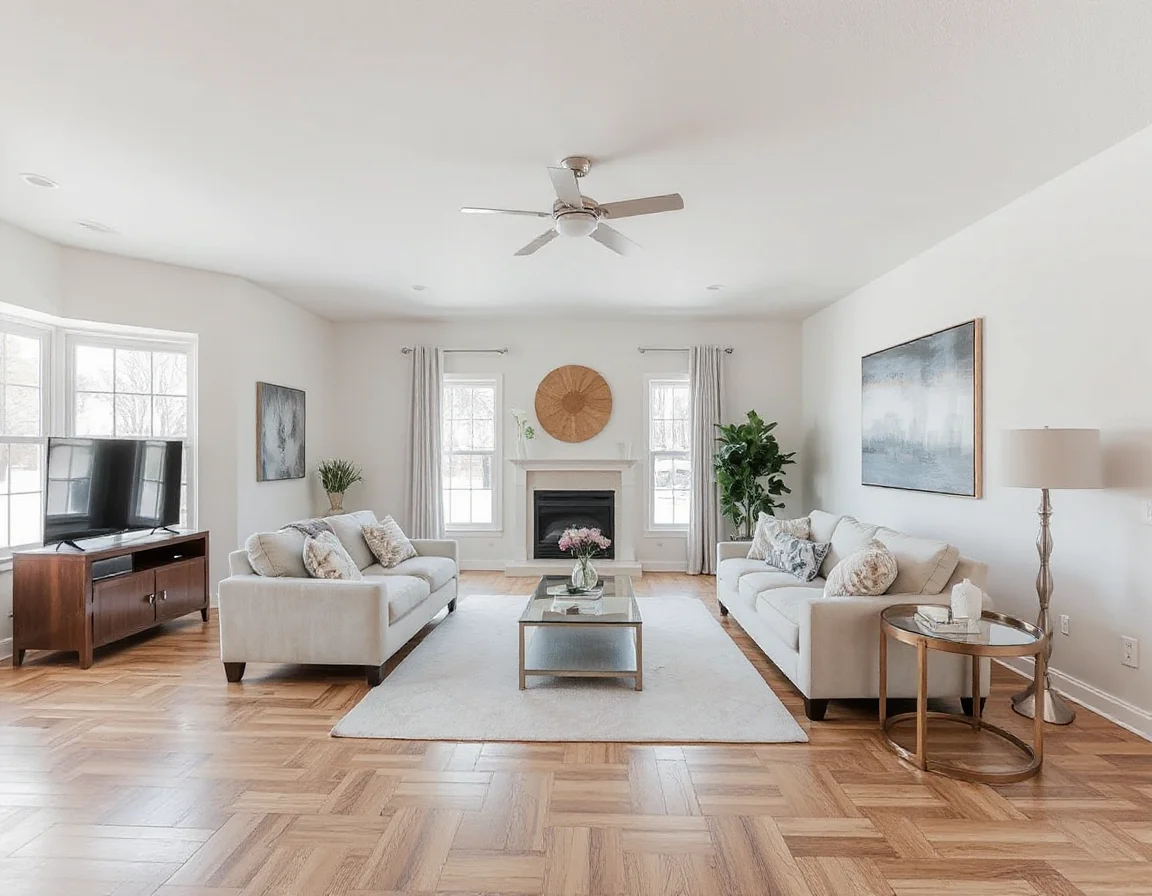
Presentation can also change the pricing conversation. Clean, well-edited rooms photograph better, feel larger in person, and help buyers focus on the property itself rather than distractions. If two homes are similar on paper but one shows crisply online and in person, it often captures more early attention. That extra traffic can make a measurable difference in both pace and negotiating strength.
This is why pricing and preparation should work together. A seller who wants a top-of-range result should usually pair that goal with thoughtful staging, minor repairs, and high-quality marketing. If the home will be sold more as-is, the pricing strategy should reflect that clearly from the start.
Buyers compare homes side by side on their phones before they ever book a tour. Small presentation upgrades can support pricing because they improve the home’s position in those instant comparisons.
It is also smart to anticipate buyer questions in advance. If the property has unique features, additions, acreage differences, or recent upgrades, those details should be reflected carefully in both pricing analysis and marketing language. The more clearly value is supported, the easier it is for serious buyers to justify a strong offer.
Use market pace and inventory levels to shape your launch
Price strategy works best when it reflects current market speed. In a faster market with limited inventory, sellers may have more room to price confidently if the home is well prepared and supported by recent sales. In a slower market, or in a segment with more competition, buyers tend to be more selective and price-sensitive. The same property can attract very different responses depending on how many alternatives are available at the moment it goes live.
Days on market can be especially telling. If comparable homes are moving quickly, that suggests strong alignment between pricing and buyer expectations. If similar listings are lingering, reduced several times, or returning to market after failed contracts, sellers should pay close attention. Those patterns often reveal where buyers believe the true value line sits.
Timing inside the listing period matters as well. Fresh listings typically receive the most attention early, when agents and buyers are actively scanning for new options. That is why a “test the market high and adjust later” approach can be costly. By the time a reduction happens, the listing may have already lost momentum with the people who were most likely to act first.
A smart price leaves room to negotiate without scaring buyers away
Some sellers worry that pricing near market value means leaving money on the table. In reality, the opposite is often true. A well-positioned asking price can create more interest, more showings, and stronger negotiating conditions than an inflated list price that sits untouched. The goal is not to eliminate negotiation; it is to encourage the kind of attention that gives a seller options.

That strategy also protects against appraisal problems. Even if a buyer agrees to a high contract price, the transaction still has to make sense relative to comparable sales if financing is involved. Pricing with market support from the outset can reduce the odds of difficult renegotiations later in the process.
For homeowners in Clay, the strongest pricing decisions usually come from a local, current analysis rather than a national headline or an automated estimate. Broad market news may explain general trends, but a real listing decision should be based on what similar homes nearby are actually doing now. Neighborhood-level differences, recent updates, lot characteristics, and condition adjustments all matter.
In the end, pricing is about positioning. The right number helps a home enter the market with credibility, capture attention where buyers are already searching, and invite serious offers backed by real interest. If you are preparing to sell, a data-driven pricing plan can be one of the most valuable decisions you make before the listing ever goes live.
