
The maintenance projects that best protect resale value in Bates are usually the ones buyers notice first during showings and inspectors flag later in the process: roofing, exterior upkeep, HVAC service, moisture control, and functional updates. A polished look matters, but condition and deferred maintenance often influence negotiations more than decorative upgrades alone. If you want your home to compete well when it hits the market, a smart maintenance plan can help preserve pricing power and reduce surprises.
Start With the Systems Buyers Can’t Ignore
When people prepare a home for sale, it is easy to focus on paint colors, staging, and small cosmetic details. Those items do help presentation, but the projects that often protect resale value most effectively are the less glamorous ones. In Bates, where seasonal weather can put steady pressure on roofs, gutters, foundations, and heating and cooling systems, maintenance has a direct impact on how a property is perceived during showings, inspections, and negotiations.
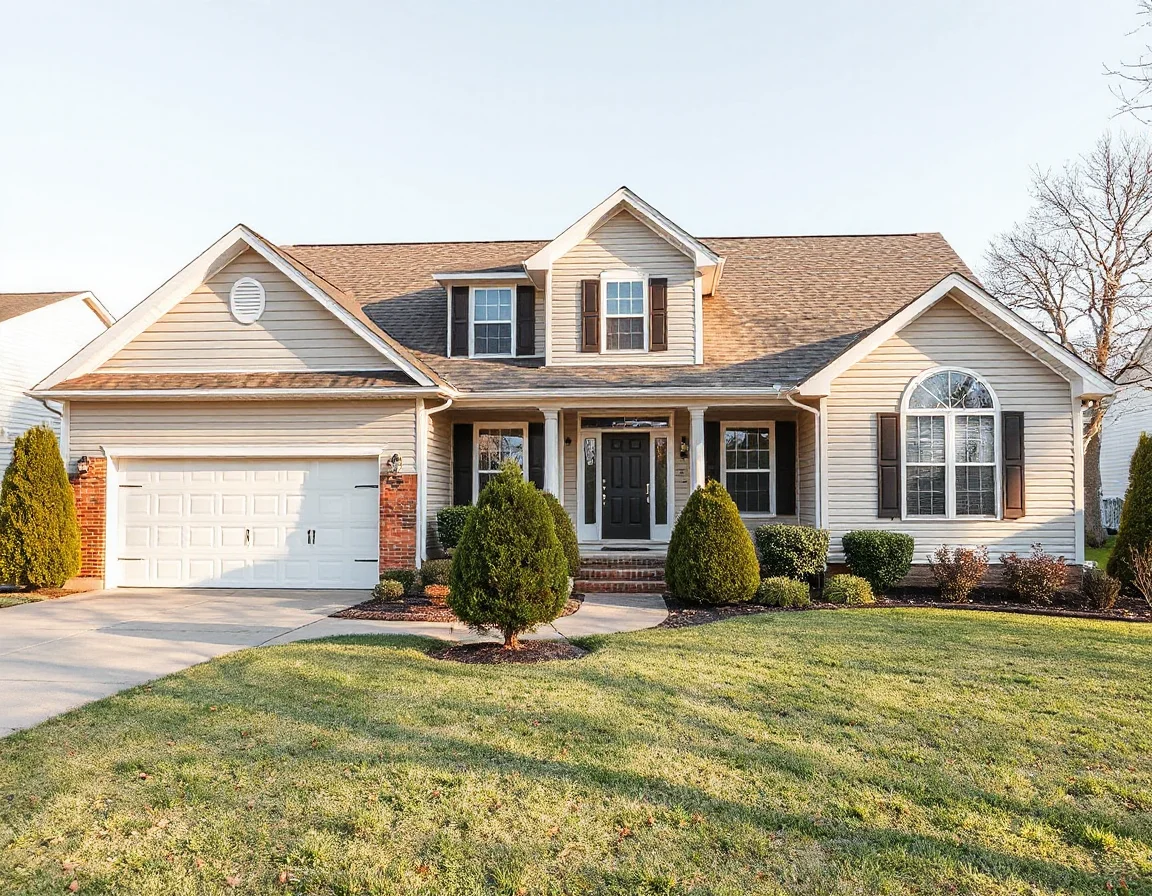
A roof in solid condition is one of the clearest examples. Missing shingles, visible wear, sagging gutters, or staining around soffits can instantly signal future expense to a buyer. Even if the rest of the home shows beautifully, exterior issues can shape the first impression before anyone steps through the front door. The same goes for drainage: downspouts that direct water away from the foundation, functioning gutters, and grading that limits pooling all communicate that the property has been cared for over time.
Inside the house, HVAC servicing, plumbing maintenance, and electrical updates can help support value because they reduce uncertainty. A buyer may not get excited about a recently serviced furnace in the same way they respond to a new kitchen backsplash, but they will notice the comfort, reliability, and reduced risk. These are the projects that can make a home feel move-in ready rather than like a list of upcoming repairs.
If you are choosing between a purely decorative update and correcting a known maintenance issue, the maintenance item often delivers stronger protection during inspections and price negotiations.
Windows and doors also deserve attention. Drafts, broken seals, soft trim, and sticking hardware may seem minor at first, yet they can create a pattern that suggests broader deferred maintenance. Even simple fixes such as replacing damaged weatherstripping, adjusting latches, or repainting deteriorated trim can improve both function and presentation.
Focus on Moisture, Exterior Wear, and Seasonal Upkeep
Moisture is one of the most important value-protection topics for any homeowner. Small leaks under sinks, condensation concerns, musty basement odors, or staining around ceilings can raise major questions during a sale. Before listing, it is worth checking attics, crawl spaces, basements, and utility areas for evidence of water intrusion. Addressing the source matters more than simply covering the symptom. Fresh paint over a stain is rarely enough if the underlying issue is still active.
Exterior maintenance has a similar effect. Peeling paint, cracked caulk, loose handrails, damaged steps, and neglected landscaping can make the property feel more demanding from the start. By contrast, a home with trimmed plantings, clear walkways, functioning exterior lights, and a clean entry can feel more cared for without requiring a major remodel. These are not flashy changes, but they can support stronger buyer confidence.
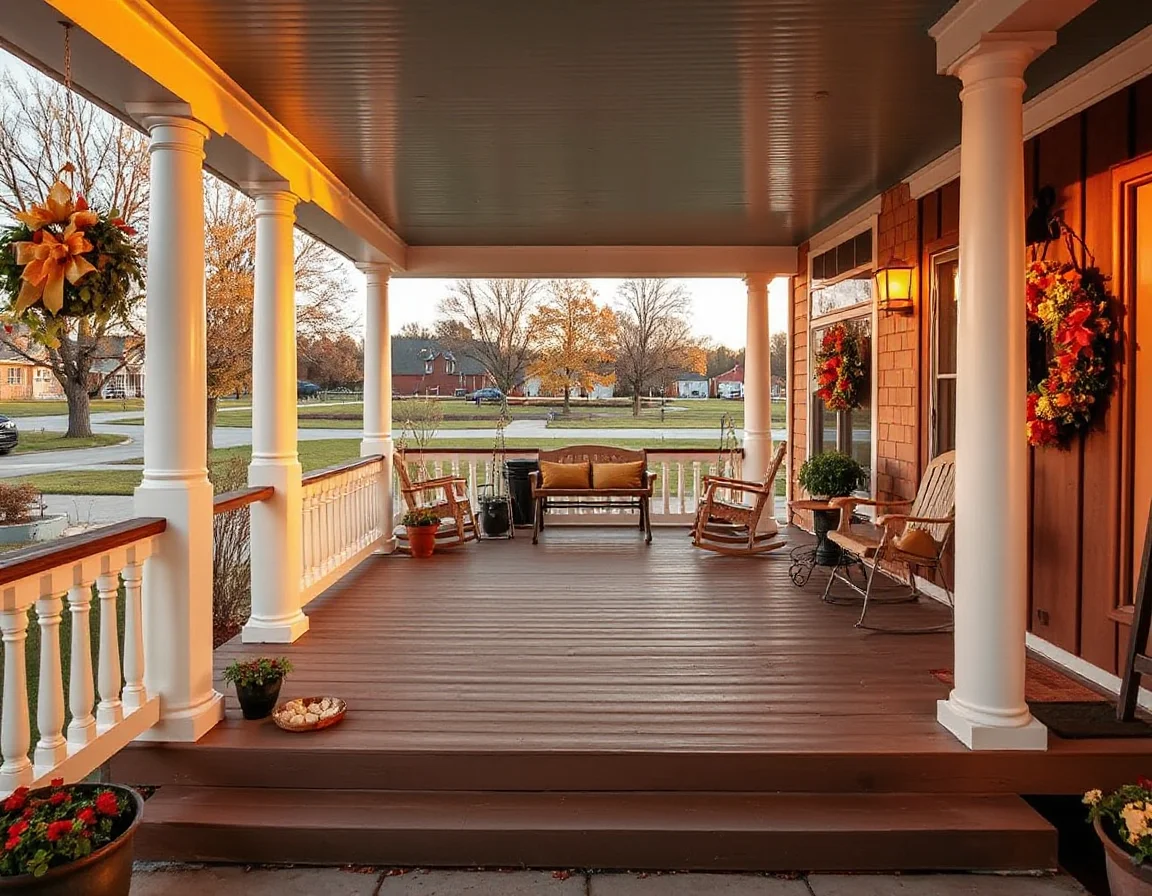
Routine seasonal work can be especially helpful here. Cleaning gutters, checking flashing, servicing the air conditioner before warm weather, and verifying that exterior faucets and irrigation components are functioning properly are all practical ways to reduce preventable issues. When buyers sense that routine upkeep has been consistent, they are often more comfortable evaluating the home as a whole.
That does not mean every older component has to be replaced. Resale value is usually protected by honest condition, working systems, and visible care, not by making every surface brand new. A roof with life remaining, a dry basement, and well-maintained siding may matter more than over-improving with expensive finishes that do not match the rest of the property.
A pre-listing maintenance checklist can help owners catch low-cost fixes early, when they are easier to schedule and less likely to delay a closing timeline.
Choose Updates That Support Function and Broad Appeal
Some maintenance projects overlap with light updating, and that is often where homeowners can make efficient decisions. Replacing worn flooring in high-traffic areas, updating dated light fixtures, resealing countertops, repairing cabinet doors, and refreshing worn paint can all improve how a home shows without turning the project into a full renovation. The key is to support clean, functional, well-maintained spaces rather than chasing every design trend.
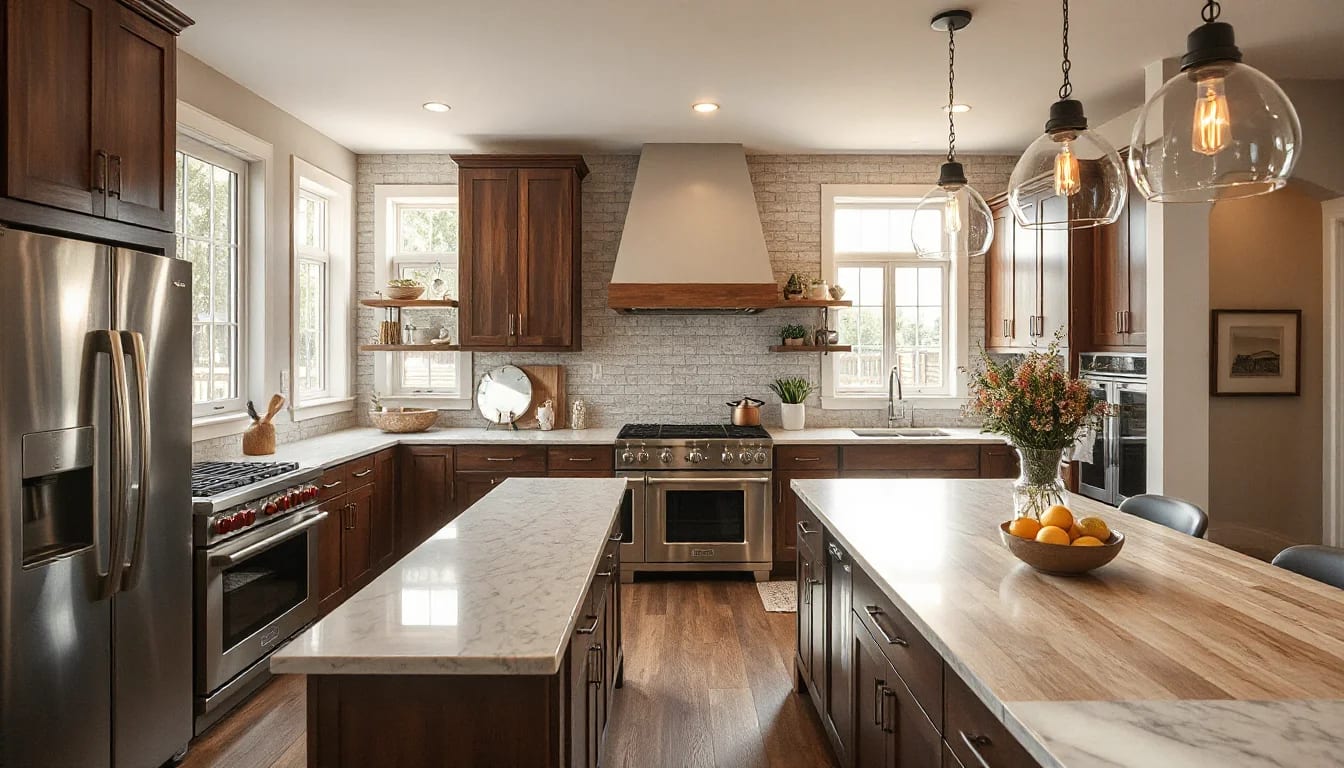
Kitchens and baths still matter because buyers pay attention to them, but condition usually comes before luxury. A kitchen with working appliances, solid cabinetry, functioning drawers, clean grout lines, and dependable plumbing can compare well even if it is not fully remodeled. Likewise, a bathroom with no moisture issues, bright lighting, secure fixtures, and clean finishes often contributes more to marketability than a costly overhaul done solely for style.
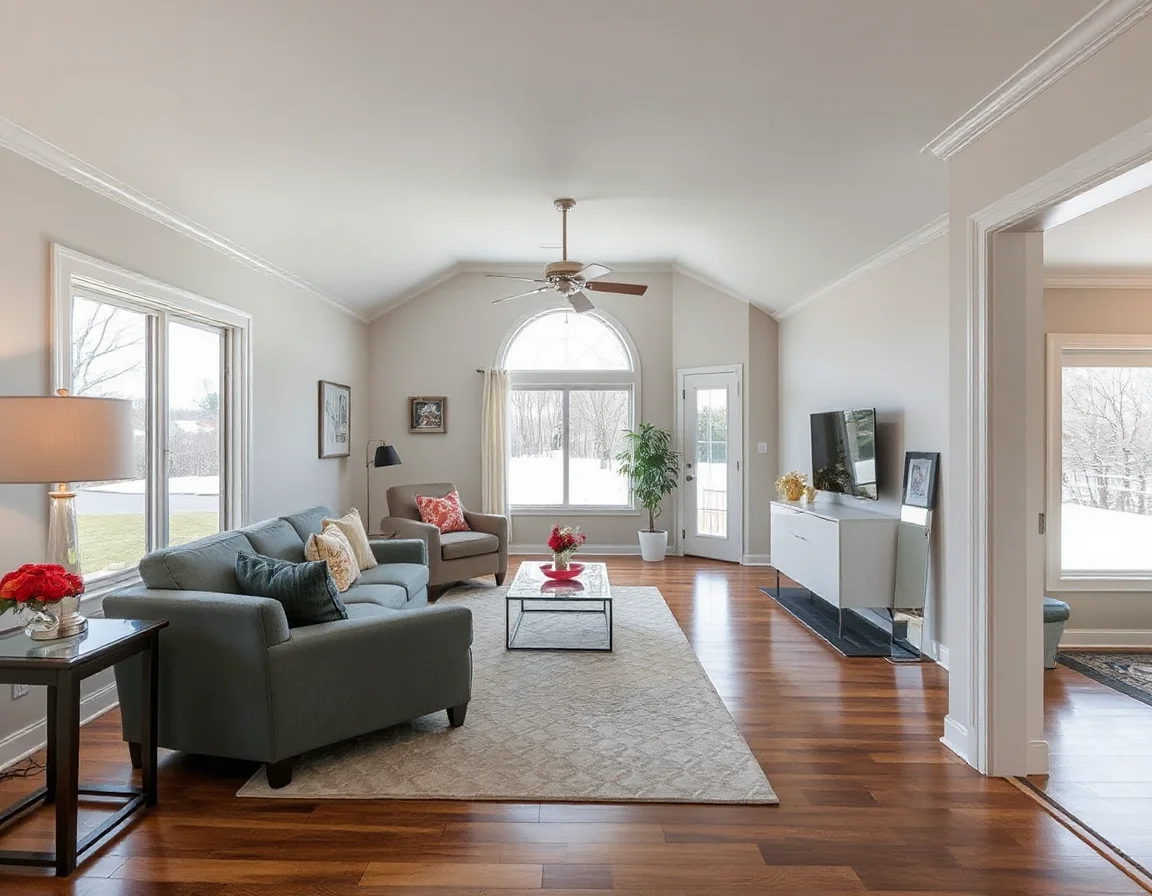
Flooring repairs are another strong example. Stained carpet, cracked tile, or heavily scratched surfaces can distract from the rest of the house and raise questions about upkeep. Replacing or repairing visibly worn flooring may not be the most exciting use of a budget, but it can help a home photograph better, show more cleanly, and feel more move-in ready.
Before starting larger projects, it is also smart to consider neighborhood expectations and price range. The goal is not necessarily to install the most expensive finish available. It is to keep the home in line with the condition and presentation buyers expect in the local market. That balance helps protect value without overspending on features that may not return dollar for dollar.
Think Like a Buyer Walking Through the Property
One useful test is to move through the home and note anything that looks deferred, inconsistent, or unfinished. Buyers often notice clusters of small issues: a loose doorknob, chipped trim, an exhaust fan that rattles, a deck board that needs repair, a faucet that drips, or a garage door that sounds strained. One item alone may not matter much, but several together can shape the impression that the home will require immediate attention.
Documentation can also help. Receipts for HVAC service, roof repairs, appliance maintenance, or foundation work can add credibility when questions arise. Buyers appreciate clarity, especially when they are evaluating age and condition. Organized records do not replace the need for actual upkeep, but they can strengthen confidence in the care a property has received.
For homeowners in Bates, the best strategy is usually a practical one: protect the structure, maintain key systems, resolve moisture concerns, keep the exterior looking cared for, and make targeted updates where wear is most visible. Those projects may not all be dramatic, yet they often do the most to support a smoother sale and preserve value over time.
Resale value is rarely about one single improvement. More often, it comes from the cumulative effect of a home that feels dependable, functional, and consistently maintained. If you are planning ahead for a future sale, the smartest home projects are usually the ones that reduce buyer hesitation before it starts.
