
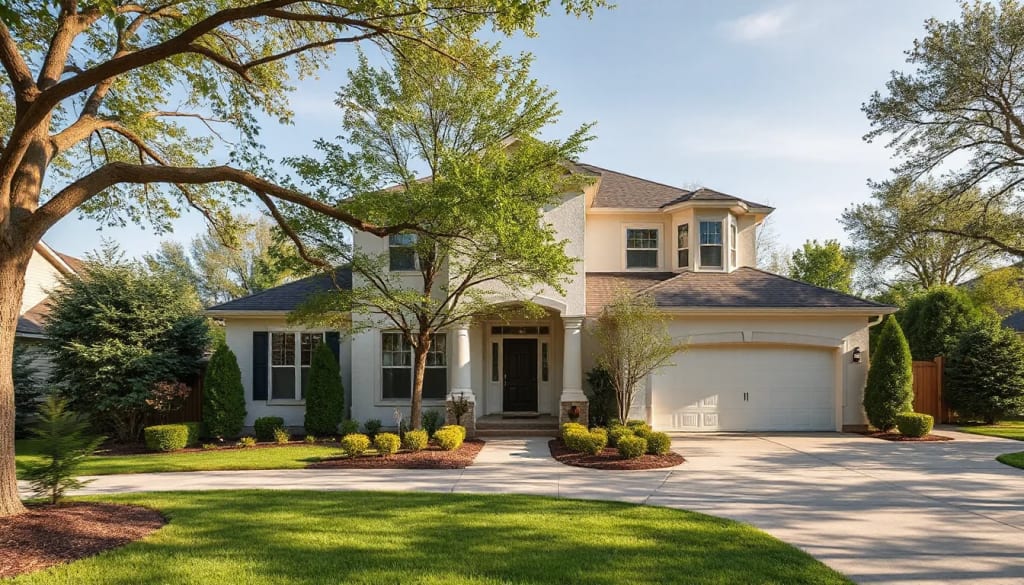
How to Navigate Home Buying Across Johnson, KS and Jackson County With More Confidence
A Clearer Path to Buying a Home in Johnson, KS and Jackson County
Buying a home can feel exciting one minute and overwhelming the next. Between financing, timing, property tours, inspections, and negotiations, it is easy to wonder whether you are missing an important step. A more confident experience usually comes from one simple shift: breaking the process into manageable decisions and staying focused on facts, priorities, and local market conditions.
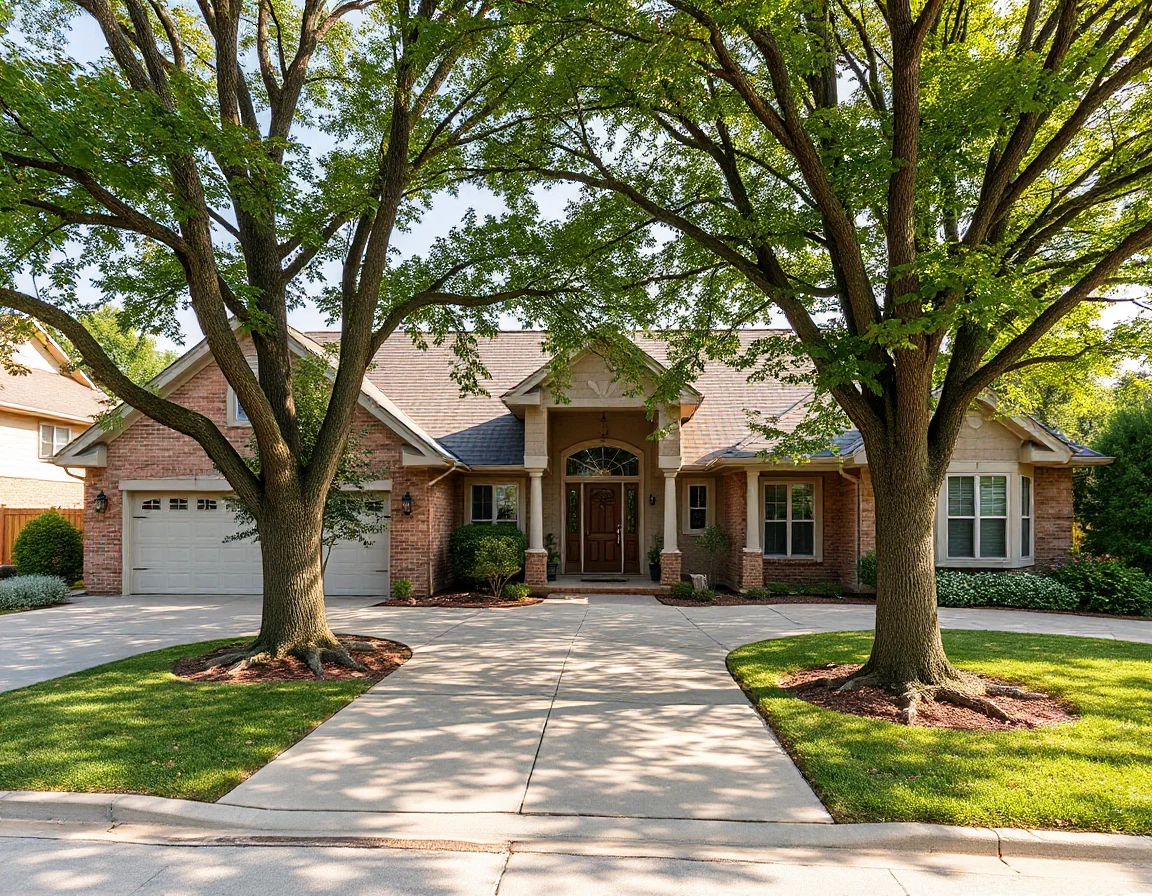
Across Johnson, KS and Jackson County, buyers often encounter a mix of housing styles, price points, and neighborhood settings. Some areas may offer established residential streets with mature landscaping, while others feature newer construction, updated interiors, or homes with larger lots. Understanding that variety early helps narrow the search. Instead of trying to evaluate everything at once, it helps to define your must-haves first: preferred home size, layout, yard space, commute patterns, budget range, and the level of updates you are comfortable taking on.
Financing is another place where preparation creates confidence. Before actively touring homes, many buyers benefit from reviewing monthly payment comfort levels, available cash for down payment and closing costs, and loan options that fit their goals. A pre-approval can strengthen your position when inventory is tight and can also help you move quickly when the right property appears. Beyond the mortgage itself, it is useful to account for recurring costs such as insurance, taxes, utilities, maintenance, and possible association dues, so the full picture feels manageable rather than surprising later.
Once the search begins, a practical home tour strategy makes a big difference. Look beyond décor and focus on the elements that are harder or more expensive to change: floor plan flow, natural light, storage, lot orientation, major systems, roof age, window condition, and the overall level of upkeep. It is also smart to compare how each property connects to daily routines. Nearby parks, shopping corridors, medical services, commuting routes, and recreation options can shape the ownership experience as much as the house itself. Market confidence grows when buyers compare homes by objective features instead of reacting only to first impressions.
What to Watch for in the Local Search

Every local market has its own rhythm, and that rhythm can affect both pricing and negotiation strategy. In some periods, well-presented homes move quickly and attract strong interest. In other moments, buyers may see more room to negotiate on price, repairs, or seller concessions. Paying attention to days on market, recent comparable sales, and listing-to-sale trends can provide useful context. Confidence does not come from predicting every shift perfectly; it comes from interpreting the available data and adjusting expectations accordingly.
It also helps to evaluate the surrounding area with a neutral, practical lens. Consider road access, nearby green space, local services, dining options, and public amenities that support day-to-day living. Buyers relocating from outside the area often find it helpful to drive the route at different times of day, visit local parks, and get a feel for traffic flow and convenience. Those simple observations can reveal whether a location aligns with your routines better than an online listing ever could.
School information may also be part of a buyer's research process, even when it is not the deciding factor. Reviewing publicly available district boundaries, school ratings platforms, and transportation logistics can help create a complete picture of the area. The same goes for zoning, future development, and utility considerations. Properties near planned infrastructure projects, commercial growth, or roadway changes may offer a different long-term experience than homes in more established sections. A thoughtful purchase weighs both the house you see today and the setting that surrounds it.
Inspections are where confidence becomes concrete. A professional inspection can clarify the condition of structural elements, electrical systems, plumbing, HVAC, and other core components. Findings do not always mean a deal should stop; often they help buyers understand repair priorities, negotiate credits, or simply move forward with realistic expectations. The goal is not to find a flawless home. It is to make an informed decision with open eyes.
Building a Smart Offer and Staying Grounded Through Closing

When it is time to make an offer, clarity matters more than emotion. A strong offer is not always the highest number; it is the package that best balances price, terms, timeline, financing strength, and the realities of the property. Depending on market conditions, buyers may need to think carefully about contingencies, closing dates, possession timing, and requests for repairs or seller contributions. Comparing these details against recent sales can help ensure the offer reflects current value rather than guesswork.
The period between contract and closing can test patience, especially when appraisals, underwriting requests, title work, and inspection negotiations happen at once. Staying organized helps. Keep financial documents easy to access, avoid major credit changes during the loan process, and respond promptly to lender requests. Small delays often happen in real estate transactions, and they do not always signal a problem. In many cases, they are simply part of moving all the pieces into place.
It is equally important to keep your original goals in view. Buyers sometimes become so focused on “winning” a house that they stretch beyond the payment, condition level, or location fit that made sense at the beginning. Confidence often means being willing to step back when a property no longer aligns with your priorities. Another option can come along, and preserving flexibility can be just as valuable as moving quickly.
In Johnson, KS and Jackson County, a successful home purchase usually comes down to preparation, local insight, and a steady decision-making process. By identifying priorities early, studying the market carefully, asking detailed questions, and evaluating each property on objective criteria, buyers can move from uncertainty to clarity. With the right plan and professional guidance, the path to homeownership feels less like a guessing game and more like a series of informed, confident steps.
